
Mice are one of the most common pests homeowners deal with in Hamilton. These small rodents can enter homes through extremely tiny openings and quickly establish nests inside hidden areas of the structure. Walls, ceilings, and attic spaces provide the quiet, protected environment mice need to reproduce and build nests.
Because mice often remain hidden behind drywall or inside ceiling cavities, many infestations go unnoticed until activity becomes obvious. Recognizing the early signs of mice in your walls or ceilings can help prevent a small rodent problem from turning into a large infestation.
This guide explains the most common signs of mice living inside the structure of your home, why they choose these hidden spaces, and how professional mouse removal can eliminate the problem.
Why Mice Nest Inside Walls and Ceilings
Walls and ceilings provide excellent shelter for rodents. These spaces are warm, dark, and rarely disturbed by people. Once mice find a way inside, they often travel through wall cavities to reach food sources in kitchens or pantries.
Hamilton homes are especially vulnerable during colder months. When outdoor temperatures drop, mice look for warm indoor environments where they can survive the winter. Even a small crack or opening in the exterior of a home can provide access.
Inside the structure, mice create nests using insulation, paper, fabric, and other soft materials. Because the nests are hidden, the problem can continue for weeks before homeowners notice clear signs.
Scratching and Movement Sounds
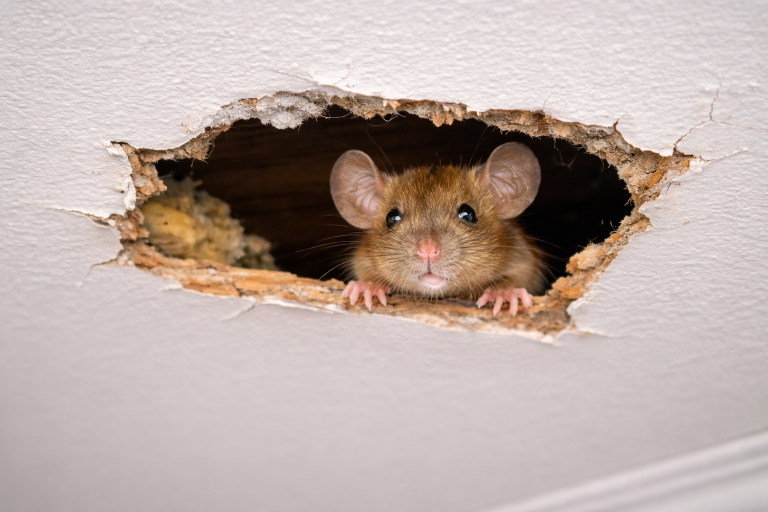
One of the most common signs of mice in walls or ceilings is sound. Mice are active mostly at night, so homeowners often hear scratching or rustling noises after the house becomes quiet. These sounds may resemble light tapping, scratching, or quick scurrying movements. The noise may appear to travel along the wall or ceiling as mice move through cavities.
Unlike larger animals such as raccoons or squirrels, mice produce softer sounds. However, when several mice are present, the activity can become more noticeable. If you regularly hear scratching noises inside walls late at night, rodents are a likely cause.
Light Gnawing Sounds
Mice constantly chew to keep their teeth from growing too long. This behavior produces faint grinding or gnawing noises inside walls. Homeowners may hear these sounds coming from behind cabinets, near baseboards, or above ceilings. The chewing may occur in short bursts followed by periods of silence.
While the noise may seem minor, gnawing can cause serious problems. Mice often chew wood, drywall, and electrical wiring. Chewed wires inside walls create a potential fire hazard. This is one of the most important reasons rodent infestations should be addressed quickly.
Droppings Appearing Indoors
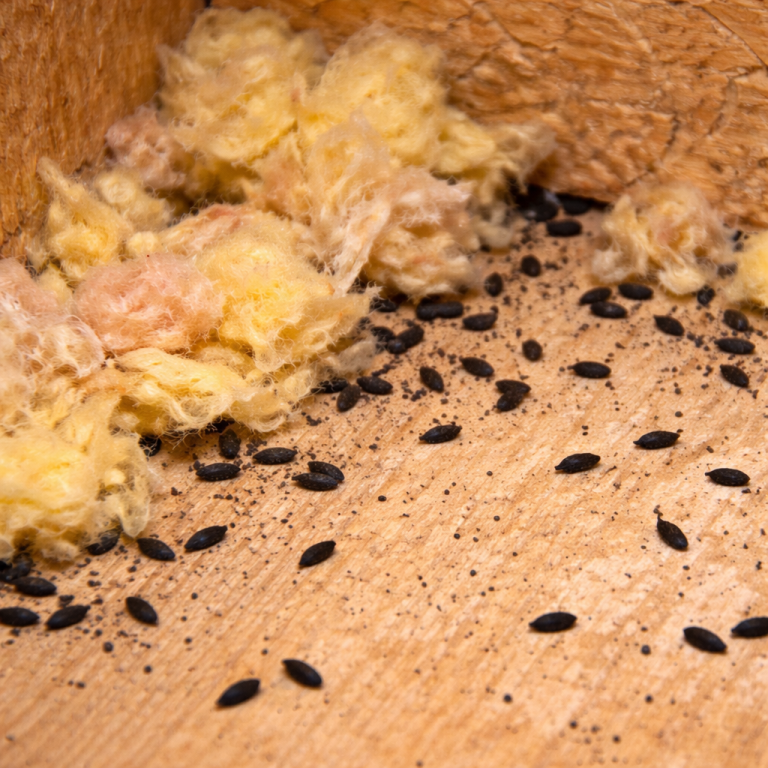
Another strong indicator of mice in the walls is the appearance of droppings inside the home. Mouse droppings are small, dark pellets that resemble grains of rice. They often appear along baseboards, inside cupboards, or behind appliances. These locations indicate the pathways mice use when traveling from their nests to food sources.
Even if the nest is hidden inside the wall cavity, droppings in living spaces suggest mice are active within the structure. If droppings appear repeatedly despite cleaning, the infestation may already be established.
Unexplained Odours
Mice leave behind urine and droppings that can create a noticeable smell over time. When nests are hidden inside walls or ceilings, the odour may gradually become stronger. Homeowners often describe the smell as musty or stale. In some cases it becomes noticeable near vents, cupboards, or electrical outlets.
If a mouse dies inside a wall cavity, the smell may intensify for several days before fading. This situation is another sign that mice have been living within the structure. Persistent unexplained odours in combination with scratching noises often point to rodent activity.
Damage Near Baseboards or Cabinets
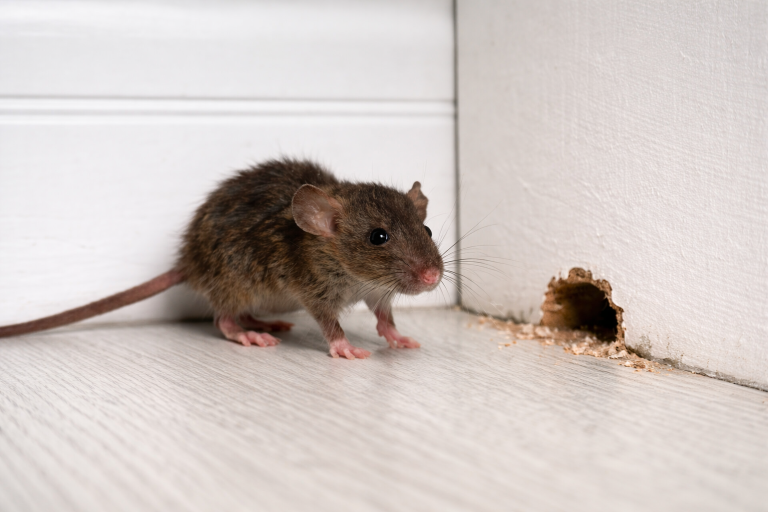
Because mice travel through walls, they frequently enter rooms through small gaps near baseboards, pipes, or cabinets. Homeowners may notice small chew marks or holes in these areas. Food packaging may also show signs of gnawing. Mice often chew through cardboard or plastic to reach stored food.
Even if the nest is hidden in the wall, the feeding areas may appear in kitchens, pantries, or storage spaces. Inspecting these areas can help confirm rodent activity.
Activity in Ceilings or Attic Spaces
Mice often move between walls and attic spaces. In homes with accessible attic areas, scratching or rustling may be heard above the ceiling. The sounds may occur in the late evening or early morning hours. Because mice are small and fast, the movement may seem rapid and scattered.
Attic insulation sometimes shows signs of nesting or disturbance when mice are present. If activity in the ceiling is combined with droppings inside the home, mice may be traveling between these areas.
Why Mice Spread Quickly
One reason mice infestations become serious so quickly is their rapid reproduction. A single female mouse can produce multiple litters each year. When mice nest inside walls or ceilings, they can multiply without being seen. By the time homeowners notice the activity, several mice may already be present. This is why early detection is important. Addressing the problem quickly prevents it from spreading throughout the home.
Why DIY Mouse Control Often Fails
Many homeowners attempt to solve mouse problems using traps or bait purchased at hardware stores. While these methods may catch a few mice, they often fail to eliminate the infestation. If entry points remain open, new mice will continue to enter the home. In addition, mice may die inside wall cavities where they cannot be reached.
Effective mouse removal requires identifying how rodents are entering the structure and sealing those openings permanently. Without exclusion work, infestations often return.
Preventing Mice in Walls and Ceilings
Maintaining the exterior of your home plays a major role in preventing rodent infestations. Small cracks or gaps should be sealed promptly. Proper food storage also helps reduce the likelihood of attracting mice. Keeping pantry items sealed and cleaning up crumbs removes potential food sources.
Regular inspections of basements, attics, and storage areas can reveal early signs before the infestation grows. Even well-maintained homes can occasionally develop small entry points, so professional inspections can provide additional peace of mind.
Professional Mouse Control
Professional mouse control focuses on both eliminating the current infestation and preventing future entry. A wildlife technician begins with a full inspection of the property. This inspection identifies the likely entry points mice are using to access the home. Treatment methods are then applied to remove the active rodents. Traps or interior rodent stations are placed strategically in areas where mice travel.
The most important step is sealing the small openings that allow mice inside. Entry points around the exterior of the home are closed using durable materials that prevent rodents from returning. This combination of removal and exclusion is the most reliable way to solve a mouse problem.
When to Call for Mouse Removal
If you hear scratching in walls, find droppings inside the home, or notice unusual odours coming from hidden spaces, it is best to schedule an inspection as soon as possible.
Rodent infestations rarely resolve on their own. The longer mice remain inside the structure, the more damage and contamination can occur. Early intervention helps protect both the home and the health of the people living inside.
Book Mouse Removal with Hamilton Wildlife
If you suspect mice are living in your walls or ceilings, professional help is the most effective way to eliminate the problem. Hamilton Wildlife provides expert rodent control services throughout Hamilton. Our team identifies entry points, removes active infestations, and reinforces vulnerable areas to keep rodents out.
Do not ignore scratching sounds or droppings inside your home. Contact Hamilton Wildlife today to book an inspection and restore peace of mind.