
Raccoons are one of the most common wildlife animals found in residential neighborhoods throughout Hamilton. Many homeowners see them climbing fences, walking across rooftops, or searching through garbage bins at night. Because raccoons are so common, some people assume they are harmless.
While raccoons are not naturally aggressive animals, they can still pose risks to both humans and pets. Problems often arise when raccoons become comfortable around homes or when they feel cornered, threatened, or protective of their young.
Understanding how raccoons behave and what dangers they can present is important for keeping your family, pets, and property safe. This guide explains the potential risks associated with raccoons, how to recognize warning signs, and when it is time to call a wildlife professional.
Why Raccoons Are So Common Around Homes
Raccoons are highly adaptable animals. They thrive in urban environments because residential neighborhoods provide easy access to food, water, and shelter. Garbage bins, pet food, bird feeders, and gardens all attract raccoons. Roofs, attics, chimneys, and sheds provide safe nesting areas. Hamilton’s mix of urban development, mature trees, and nearby green spaces creates ideal conditions for raccoon populations to grow. As a result, encounters between raccoons, people, and pets are very common.
Are Raccoons Aggressive?
In most cases, raccoons try to avoid direct contact with people. They are naturally cautious animals and prefer to escape when approached. However, raccoons can become defensive if they feel trapped or threatened. This is especially true when a mother raccoon has babies nearby.
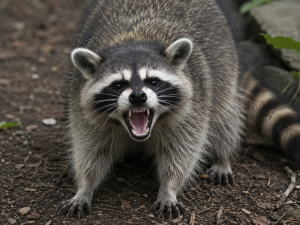
A raccoon may hiss, growl, bare its teeth, or bluff charge if it feels cornered. While these behaviors are meant to scare threats away, they can become dangerous if the animal cannot escape. Attempting to handle or remove a raccoon without proper experience significantly increases the risk of injury.
Risks to Humans
Raccoons can pose several risks to people, particularly when they are living inside or around a home. One of the biggest concerns is bites or scratches. Although uncommon, raccoons may defend themselves if approached too closely. Their teeth and claws can cause serious injuries.
Raccoons are also known carriers of diseases and parasites. Direct contact with a raccoon or its waste can create health concerns if proper precautions are not taken. Even seemingly calm raccoons should never be approached or fed.
Raccoons and Rabies Concerns
One of the most common questions homeowners ask is whether raccoons carry rabies. Rabies is a viral disease that affects the nervous system and can spread through bites or saliva. While not every raccoon has rabies, raccoons are considered a potential carrier species.
A raccoon showing unusual behavior should always be treated with caution. Signs of abnormal behavior can include disoriented movement, aggression without provocation, excessive drooling, or unusual daytime activity. While raccoons are sometimes active during the day naturally, a raccoon that appears sick, confused, or unusually fearless around people should not be approached.
If you encounter a raccoon behaving strangely, avoid contact and call a wildlife professional immediately.
Health Risks from Raccoon Droppings
Raccoon waste can also present health concerns. Raccoons often create designated bathroom areas known as latrines. These are commonly found in attics, roofs, decks, or yards. Over time, droppings can accumulate and contaminate insulation or surrounding areas.
When raccoons live inside an attic, the contamination can spread across large sections of insulation. Odours may begin entering the living space, and cleanup can become more extensive the longer the animals remain inside the home. Because of these risks, cleanup should be handled carefully and professionally, especially when droppings are found inside a structure.
Are Raccoons Dangerous to Pets?
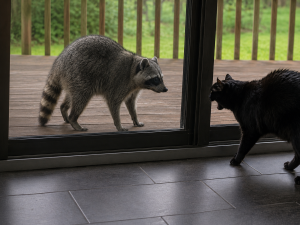
Raccoons can also pose risks to dogs and cats. Pets that approach or chase raccoons may trigger defensive behavior. A raccoon may scratch or bite if it feels threatened.
Conflicts are more likely when pets are outside at night, when food bowls are left outdoors, or when a raccoon is protecting babies nearby. Dogs are naturally curious and often investigate wildlife, which can quickly escalate into a confrontation. Even smaller altercations can result in injuries that require veterinary treatment.
Risks to Outdoor Cats
Outdoor cats are especially vulnerable because they may unknowingly wander near areas where raccoons are nesting. While raccoons do not usually hunt cats, territorial conflicts can happen over food, shelter, or space. A raccoon that feels cornered may become defensive very quickly. Keeping cats indoors at night significantly reduces the chance of wildlife encounters and helps protect them from injuries or disease exposure.
Why DIY Raccoon Removal Is Risky
Many homeowners attempt to deal with raccoons on their own after hearing noises in the attic or spotting activity on the roof. Unfortunately, this often creates bigger problems. If babies are present, separating them from the mother can lead to continued noise, contamination, and repeated attempts by the raccoon to re-enter the home. Blocking an entry point too early can trap animals inside the attic or walls.
Trying to scare away or physically remove a raccoon can also increase the risk of bites or scratches. Professional wildlife removal ensures the situation is handled safely, humanely, and legally.
How Professional Raccoon Removal Works
Professional raccoon removal begins with a full inspection of the property. A wildlife technician identifies how the raccoons are entering the home, checks for nesting areas, and determines whether young are present. Humane one-way doors are commonly installed over the entry point. These devices allow raccoons to leave safely while preventing them from re-entering. If babies are present, they are carefully removed and reunited with the mother outside the structure whenever possible.
After the animals are removed, the entry points are reinforced and sealed using durable materials designed to prevent future access. This exclusion work is one of the most important parts of long-term raccoon control.
Preventing Raccoon Problems
Preventing raccoons from settling around your home starts with reducing attractants and maintaining the exterior of your property. Garbage bins should be secured tightly, and outdoor pet food should never be left out overnight. Tree branches hanging close to the roof should be trimmed back to limit roof access. It is also important to inspect the roofline, vents, soffits, and siding regularly for damage or weak areas. Taking these steps early can help reduce the chances of raccoons entering your home.
When to Call a Wildlife Professional
If you hear heavy movement in the attic, see raccoons entering your roofline, or notice damage around your home, it is time to contact a wildlife professional. The sooner the problem is addressed, the easier it is to prevent serious structural damage and repeated infestations. Even if you are not completely certain raccoons are present, a professional inspection can identify early signs of wildlife activity and help you avoid larger problems later.
Book Raccoon Removal with Hamilton Wildlife
Raccoons may appear harmless from a distance, but they can create serious risks when they settle inside or around your home. Hamilton Wildlife Removal provides humane raccoon removal services throughout Hamilton. Our team safely removes raccoons, identifies entry points, and secures homes against future wildlife activity.
If you suspect raccoons are living in your attic, roofline, or around your property, contact Hamilton Wildlife Removal today to schedule a professional inspection.