
Homeowners in Hamilton often assume all squirrels cause the same type of problems. While both red squirrels and grey squirrels are common in Ontario, these two species behave very differently when they get close to homes.
From attic infestations to chewing damage and territorial behavior, each species creates its own set of challenges for homeowners. If you hear scratching in the attic or notice squirrels running across your roofline, understanding the difference between red and grey squirrels can help explain the type of activity you are dealing with.
This guide breaks down the major differences between red squirrels and grey squirrels, which species tends to be more destructive, and when it’s time to call a wildlife professional.
The Difference Between Red and Grey Squirrels
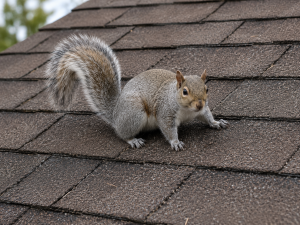
Grey squirrels are the larger and more familiar species seen throughout residential neighborhoods. They are typically grey with lighter underbellies and large bushy tails. In Hamilton, they are commonly seen climbing trees, crossing fences, and moving across rooftops during the day.
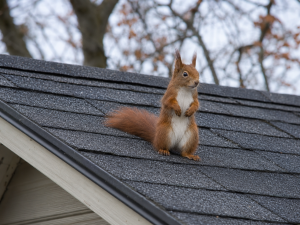
Red squirrels are much smaller and more aggressive despite their size. They usually have reddish-brown fur and thinner bodies. Unlike grey squirrels, red squirrels are highly territorial and much louder when nesting near homes.
Although both species can enter attics and wall spaces, the way they behave once inside can be very different.
Which Squirrel Is More Common in Hamilton?
Grey squirrels are by far the most common squirrel species around homes in Hamilton. They adapt extremely well to urban neighborhoods because mature trees, rooftops, and attics provide easy shelter and travel routes.
Red squirrels are less commonly seen in heavily urbanized areas but are still present, especially near wooded neighborhoods, parks, and properties closer to natural spaces.
Because grey squirrels are more widespread, they account for most squirrel-related calls from homeowners. However, red squirrels are often considered more disruptive once they get inside a structure.
Noise Levels Inside the Home
One of the biggest differences homeowners notice is the amount of noise each species makes. Grey squirrels are active animals, but red squirrels are significantly louder and more hyperactive inside attics and walls. Red squirrels tend to run rapidly through confined spaces, scratch aggressively, and vocalize more frequently.
Many homeowners describe red squirrel activity as constant. Because they are smaller, they can move quickly through tighter spaces and often create repetitive scratching sounds throughout the day. Grey squirrels are still noisy, especially in the early morning, but their activity tends to be less frantic.
If you are hearing nonstop scratching or rapid movement in your attic, there is a good chance red squirrels may be involved.
Which Species Causes More Damage?
Both species can damage homes, but they do so in slightly different ways. Grey squirrels are larger and stronger, which allows them to tear open weak roof vents, soffits, and fascia boards. Once inside, they can flatten insulation, chew wiring, and create nesting areas.
Red squirrels, while smaller, are relentless chewers. They often widen tiny gaps and can squeeze into surprisingly small openings. Because they are highly territorial, they may repeatedly damage the same area to maintain access. Red squirrels also tend to store food inside attics and wall spaces. Pinecones, nuts, seeds, and other debris may accumulate over time, creating additional mess and contamination.
In many cases, red squirrels create more ongoing nuisance activity, while grey squirrels tend to cause more structural damage due to their size.
Nesting Habits
Grey squirrels often use attics as temporary nesting areas, especially during colder months or breeding season. Female grey squirrels commonly enter attics in late winter or spring to raise babies in a warm, protected environment.
Red squirrels behave differently. They are much more territorial and often claim attic spaces as permanent shelter. Once established, they may continue returning repeatedly if the entry point is not sealed properly. Because of this, red squirrel infestations can become recurring problems without proper exclusion work.
Aggression and Territorial Behaviour
Grey squirrels are generally cautious around people and other animals. They are less likely to confront threats directly unless cornered.
Red squirrels are much more aggressive and territorial. They frequently chase other squirrels away and are known for loud chattering and defensive behaviour. This aggression extends to nesting areas as well. A red squirrel living in an attic may repeatedly attempt to regain entry even after removal if the home is not properly reinforced. Their persistence is one reason they are often viewed as the more frustrating species for homeowners.
Entry Points Around the Home
Both species usually enter homes through vulnerable areas along the roofline.
Common squirrel entry points include:
- Roof vents
- Soffits
- Fascia boards
- Gaps along siding
- Openings near chimneys
Grey squirrels typically exploit larger weak areas, while red squirrels can fit through much smaller gaps. This means red squirrel entry points are often harder for homeowners to spot. Even a small opening along the roofline may be enough for a red squirrel to enter the attic.
Seasonal Activity
Squirrel activity changes throughout the year. In the fall, both species begin searching for warm shelter as temperatures drop. This is one of the busiest times for attic infestations. Spring is another major activity period because female squirrels begin nesting and raising babies.
During these seasons, homeowners may notice increased noise in the attic or see squirrels frequently running along the roof. Because red squirrels are more territorial, their activity often feels more constant once they settle into a home.
Risks of Squirrels Inside the Home
Regardless of species, squirrels inside a home should never be ignored. Both red and grey squirrels chew constantly to wear down their teeth. This chewing can damage wood, insulation, ductwork, and even electrical wiring. Damaged wiring creates a serious fire risk.
Squirrels also contaminate attic spaces with droppings, urine, and nesting materials. Over time, this can lead to strong odors and insulation damage. The longer squirrels remain inside a structure, the greater the damage usually becomes.
Why DIY Squirrel Removal Often Fails
Many homeowners attempt to remove squirrels by blocking the entry point or setting traps. This can create serious problems if babies are present inside the attic. Blocking the hole too early may trap young squirrels inside, leading to odors, noise, and contamination. Improper trapping can also separate mothers from their babies or fail to address the actual entry point.
Because squirrels are persistent, they often return unless the structure is properly sealed and reinforced. Professional wildlife removal focuses on both removal and long-term prevention.
How Professional Squirrel Removal Works
Professional squirrel removal begins with a full inspection of the roofline and attic. A wildlife technician identifies the entry point, determines whether babies are present, and assesses any damage caused by the squirrels. Humane one-way doors are typically installed to allow the squirrels to leave safely without re-entering.
Once the animals are gone, the entry points are sealed using durable materials designed to withstand chewing and future wildlife activity. This exclusion work is essential for preventing recurring problems.
So, Which Is Worse?
The answer depends on the type of problem you are experiencing. Grey squirrels are generally larger and more capable of causing major physical damage to rooflines and vents. Red squirrels, however, are often considered more disruptive because they are louder, more aggressive, and far more persistent once they settle into a home.
Many homeowners find red squirrels more difficult to deal with because of their territorial nature and nonstop activity. Ultimately, both species can create serious problems if they gain access to your home.
Book Squirrel Removal with Hamilton Wildlife
Whether you are dealing with red squirrels or grey squirrels, professional removal is the safest and most effective solution. Hamilton Wildlife Removal provides humane squirrel removal services throughout Hamilton. Our team identifies entry points, safely removes squirrels, and reinforces vulnerable areas to prevent future infestations.
If you hear scratching in your attic or see squirrels entering your roofline, contact Hamilton Wildlife Removal to schedule an inspection.