
Squirrels may seem harmless when they are running through trees or climbing across rooftops, but once they enter a home, they can create serious safety hazards. One of the biggest concerns homeowners in Hamilton face is squirrels chewing electrical wiring inside attics and walls.
Many people are surprised to learn how often squirrel damage leads to electrical problems. In some cases, homeowners do not discover the issue until lights begin flickering, outlets stop working, or a burning smell develops inside the home. Chewed wiring is more than just a repair issue. It can become a significant fire hazard if the problem is left unresolved.
This guide explains why squirrels chew wires, the fire risks associated with squirrel infestations, warning signs to watch for, and how professional wildlife removal helps protect your home.
Why Squirrels Chew Wires
Squirrels constantly chew because their teeth never stop growing. Like other rodents, they need to wear their teeth down to keep them from becoming overgrown. In natural environments, squirrels chew bark, branches, nuts, and other hard materials. When they enter a home, electrical wiring becomes another target.
Attics and wall cavities contain exposed wires that are easy for squirrels to access while nesting or traveling through the structure. Unfortunately, squirrels do not understand the danger of electrical systems. They chew wiring simply because it is available and satisfies their instinct to gnaw.
Why Attics Are Common Problem Areas
Attics are one of the most common places for squirrel infestations. They provide warmth, shelter, and protection from predators. During colder months and breeding season, squirrels often search for attic spaces where they can safely nest. Once inside, squirrels move through insulation, rafters, and tight spaces where electrical wiring is commonly located.
As they build nests and establish pathways through the attic, they may chew wires repeatedly over time. Because attics are rarely visited by homeowners, the damage often goes unnoticed until a larger problem develops.
How Chewed Wires Become a Fire Risk
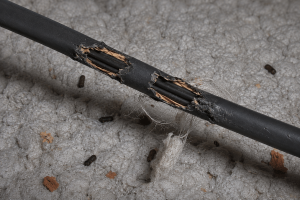
Electrical wires are protected by insulation that prevents exposed electrical currents from contacting surrounding materials. When squirrels chew through this protective coating, bare wire may become exposed. This creates several possible dangers. Exposed wires can spark when electricity passes through them. If the wire contacts wood framing, insulation, or other flammable materials, a fire can start. In some cases, wires may short circuit entirely, causing overheating behind walls or in the attic.
Attics are especially dangerous because they often contain dry wood and insulation, which can ignite quickly once exposed to heat or sparks. Even a small amount of chewing damage can create a major safety issue.
Squirrel Damage Often Happens Gradually
One reason squirrel-related fire risks are so dangerous is that the damage usually develops slowly. A squirrel may chew a small section of wiring at first. Over time, repeated chewing and movement around the attic can worsen the problem.
Because the wires are hidden behind insulation or inside wall cavities, homeowners may not realize there is an issue until electrical problems appear. This delayed discovery increases the chance of dangerous overheating or sparking.
Warning Signs of Chewed Wiring
There are several signs homeowners should watch for if squirrels are suspected inside the home. Scratching noises in the attic are often the first clue. Squirrels are most active during the early morning and daytime hours, unlike mice, which are usually active at night.
As the infestation continues, electrical symptoms may begin appearing throughout the home. Lights that flicker unexpectedly, outlets that stop working, tripped breakers, or unusual buzzing sounds may all indicate damaged wiring. Some homeowners also notice a burning smell coming from walls or ceilings. This should always be treated seriously, especially if squirrel activity has been heard nearby. In some cases, visible chewing damage may also be found in the attic during an inspection.
Nesting Materials Increase Fire Hazards
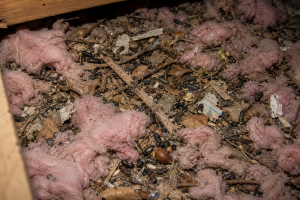
Squirrels do not just chew wires. They also build nests using highly flammable materials. Insulation, cardboard, leaves, paper, and fabric are commonly collected and packed together inside attics or wall spaces.
If damaged wiring sparks near these nesting materials, the risk of ignition increases significantly. This combination of exposed wiring and dry nesting debris creates dangerous conditions inside the structure.
Why Grey Squirrels and Red Squirrels Both Cause Problems
Both grey squirrels and red squirrels are capable of causing serious electrical damage. Grey squirrels are larger and stronger, which allows them to damage roof vents, soffits, and structural areas while gaining access to the attic. Red squirrels are smaller but often more destructive once inside. They are highly territorial and tend to chew aggressively while building nesting areas. Red squirrels are also known for repeatedly returning to the same entry point if it is not sealed properly. Regardless of species, any squirrel infestation should be treated as a potential fire hazard.
Risks Beyond Fire Damage
Chewed wiring is one of the most serious concerns, but squirrels can create other costly problems as well. Squirrels often destroy insulation while nesting. They may flatten attic insulation, contaminate it with droppings, and reduce its effectiveness. They can also damage wood framing, ductwork, and stored belongings inside the attic. Over time, these issues can lead to expensive repairs even if a fire never occurs.
Why DIY Squirrel Removal Can Be Dangerous
Many homeowners attempt to remove squirrels themselves after hearing noises in the attic. Unfortunately, DIY removal often focuses only on getting the squirrel out without addressing the damage already caused. Blocking an entry point without confirming all squirrels are gone can trap animals inside walls or attics. If babies are present, this can create additional problems including odor and contamination. More importantly, homeowners entering attics may unknowingly come into contact with damaged electrical wiring. Attempting removal without understanding the condition of the attic can increase safety risks.
The Importance of a Professional Inspection
Professional wildlife inspections are important because they look beyond the animal itself. A wildlife technician identifies how squirrels entered the home, checks for nesting activity, and assesses the extent of the damage.
If wiring damage is suspected, homeowners can then arrange for electrical repairs before the issue becomes dangerous. This early detection is often what prevents major electrical failures or fires from occurring.
How Professional Squirrel Removal Works
Professional squirrel removal begins with locating the entry points and determining whether squirrels are actively nesting inside the structure. Humane one-way doors are typically installed to allow the squirrels to leave safely while preventing re-entry.
Once the squirrels are gone, the vulnerable areas are sealed and reinforced using materials designed to withstand future chewing and wildlife activity. This exclusion work is one of the most important steps in preventing recurring infestations. Without sealing the home properly, new squirrels will often return.
Preventing Squirrel-Related Fire Risks
Preventing squirrel infestations is the best way to reduce the risk of electrical damage. Regularly inspecting the roofline, soffits, vents, and attic can help identify problems early. Tree branches hanging close to the roof should be trimmed back to reduce access points.
Any gaps or damaged areas along the roofline should be repaired promptly before squirrels can enter. If you hear scratching noises or suspect squirrel activity, acting quickly is critical.
Book Squirrel Removal with Hamilton Wildlife Removal
Squirrels chewing electrical wiring is not just a nuisance issue. It is a serious safety concern that can place your home at risk. Hamilton Wildlife Removal provides humane squirrel removal and exclusion services throughout Hamilton. Our team identifies entry points, safely removes squirrels, and helps homeowners prevent recurring infestations and structural damage.
If you suspect squirrels are living in your attic or walls, contact Hamilton Wildlife Removal today to schedule a professional inspection before the damage gets worse.