
Hearing scratching in the attic, finding animal droppings around your property, or spotting wildlife entering your roof can leave homeowners with plenty of questions. One of the first steps toward solving the problem is scheduling a professional wildlife inspection. While many people expect the visit to be a quick look around the house, a proper inspection is much more detailed.
A wildlife inspection is designed to identify what animal is present, how it entered your home, whether babies are involved, and what repairs or exclusion work will be needed to permanently solve the problem. The inspection also helps homeowners understand the condition of their home and what steps should be taken to prevent future wildlife intrusions.
If you’ve never scheduled a wildlife inspection before, here’s what you can expect when a Hamilton Wildlife technician visits your property.
Why a Wildlife Inspection Is Important
Many wildlife problems look similar from the outside. Scratching sounds in the ceiling could be caused by squirrels, raccoons, mice, or even bats. A hole in the soffit might appear small, but it could lead to a much larger problem inside the attic.
Without a proper inspection, it is difficult to recommend the correct solution. Every species behaves differently, enters homes in different ways, and requires its own removal strategy.
A professional inspection ensures that the problem is accurately identified before any removal work begins. This saves homeowners time, prevents unnecessary repairs, and provides a long-term solution rather than a temporary fix.
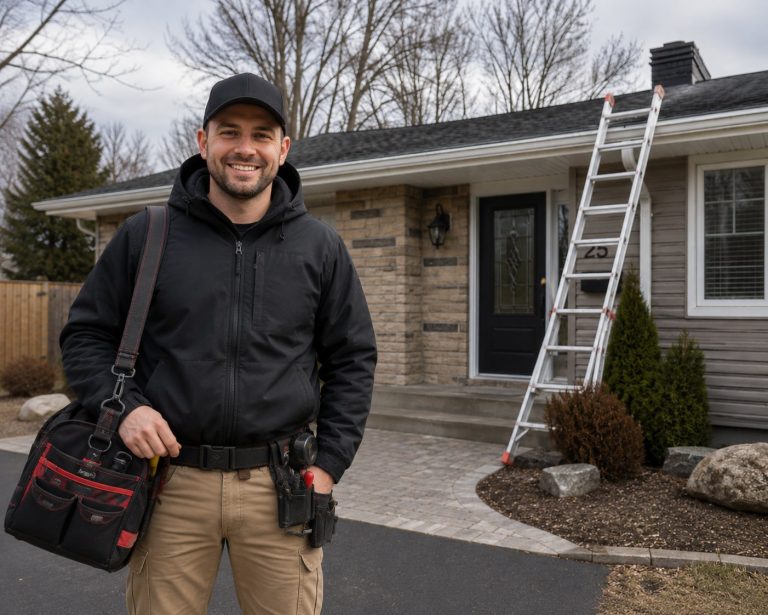
Discussing the Problem with the Homeowner
Every inspection begins with a conversation.The technician will ask questions about what you’ve been experiencing, including when you first noticed the activity, where you’ve heard noises, and whether you’ve actually seen the animal.
Details such as the time of day the noises occur can provide valuable clues. For example, scratching during the early morning and evening often points toward squirrels, while heavier nighttime noises may suggest raccoons. Bats are often identified by seeing them flying around the roofline near sunset. The more information you can provide, the easier it is for the technician to narrow down the possible causes.
Exterior Inspection of the Home
The majority of wildlife inspections focus on the outside of the home. Wildlife technicians carefully examine every accessible area where animals commonly gain entry. This includes the roofline, soffits, fascia boards, roof vents, plumbing vent stacks, gable vents, chimneys, siding transitions, foundation areas, decks, sheds, and crawl space entrances.
Using ladders and specialized equipment when necessary, technicians inspect for damaged building materials, loose panels, chew marks, staining, tracks, nesting material, and other evidence of wildlife activity. Many entry holes are surprisingly small and difficult for homeowners to notice from ground level.
Identifying Entry Points
One of the primary goals of the inspection is locating exactly how the animal is entering the structure. Different wildlife species use different access points. Squirrels often enter through roof vents, roof edges, or damaged soffits. Raccoons may tear open soffits or roof vents to create larger openings. Bats can squeeze through gaps only a few millimetres wide around flashing, siding, or roof intersections. Skunks typically dig beneath decks, porches, sheds, or foundations rather than entering the attic. Finding every active and potential entry point is essential because successful wildlife removal depends on preventing the animals from returning after they leave.
Looking Inside the Attic
If attic access is available and safe, the technician may inspect the attic as part of the visit. Inside, they look for nesting material, droppings, urine staining, damaged insulation, chewed wiring, and evidence of animal pathways. The technician also checks whether the infestation appears active or whether the animals have already moved on.
In many cases, attic inspections reveal damage that cannot be seen from outside the home. The amount of contamination and structural damage also helps determine whether cleanup or insulation replacement may be recommended after the animals have been removed.
Determining Which Animal Is Present
Wildlife professionals rely on much more than simply seeing an animal. Tracks, droppings, nesting materials, chew marks, scratching patterns, and damage to the home all provide clues.
For example, squirrel droppings are much smaller than raccoon droppings, while bat guano often accumulates directly beneath roosting areas. The size and shape of an entry hole can also help identify the species responsible. Years of experience allow wildlife technicians to recognize these subtle differences and accurately identify the source of the problem.
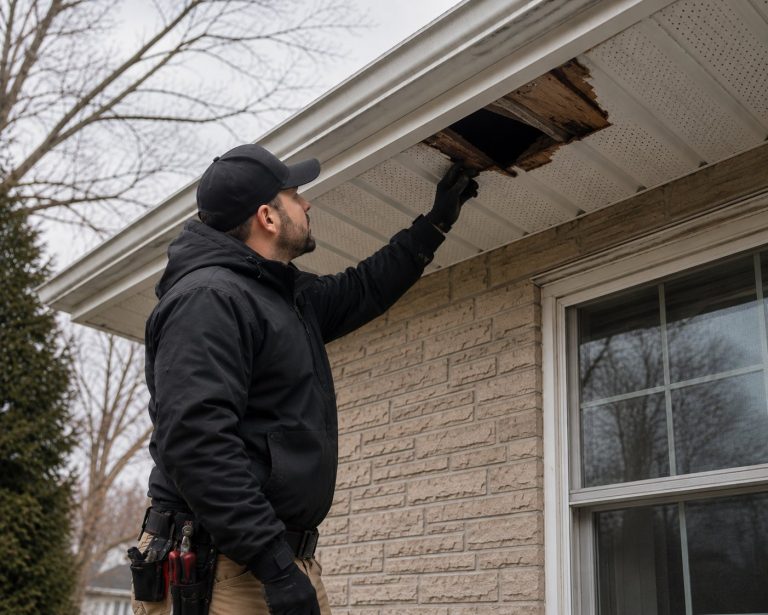
Checking for Baby Animals
During certain times of the year, inspections include determining whether young animals are present. Spring and early summer are particularly important because many wildlife species raise their babies inside homes. Mother raccoons, squirrels, bats, and skunks all seek sheltered locations to give birth.
If babies are present, removal methods must be adjusted to keep the family together whenever possible. Humane wildlife removal always considers the seasonal behaviour of the animals before any exclusion work begins.
Assessing Damage to the Home
Wildlife often causes more damage than homeowners initially realize. During the inspection, technicians evaluate both the entry point and the surrounding building materials. Damaged soffits, torn roof vents, loose fascia, contaminated insulation, chewed electrical wiring, and nesting debris are all documented.
The technician may also identify maintenance issues that have not yet resulted in wildlife activity but could become future entry points if left unaddressed. Understanding the full extent of the damage allows homeowners to make informed decisions about repairs.
Explaining the Recommended Solution
After the inspection is complete, the technician explains what was found. Rather than simply recommending removal, they outline the entire process from start to finish. This may include humane exclusion methods, one-way doors, sealing entry points, underground wire mesh barriers for digging animals, cleanup services, damaged insulation removal, or repairs to vents and soffits.
The goal is to permanently solve the wildlife problem rather than simply removing the current animal. Homeowners are encouraged to ask questions so they understand exactly how the recommended solution works.
Receiving a Written Quote
Following the inspection, you’ll typically receive a written estimate outlining the recommended work. The quote explains which services are needed, what repairs will be completed, and the total cost.
Because every home is different, wildlife removal pricing depends on factors such as the species involved, the number of entry points, roof accessibility, repair requirements, and the overall complexity of the job. A detailed estimate helps homeowners understand exactly what is included before any work begins.
How Long Does a Wildlife Inspection Take?
Most inspections take between 30 minutes and an hour, although larger homes or more complicated situations may require additional time. Homes with multiple suspected entry points or evidence of several wildlife species may involve a more extensive inspection.
Technicians take the time necessary to thoroughly examine the property because missing even one entry point can allow wildlife to return later. A careful inspection is one of the most important parts of achieving a permanent solution.
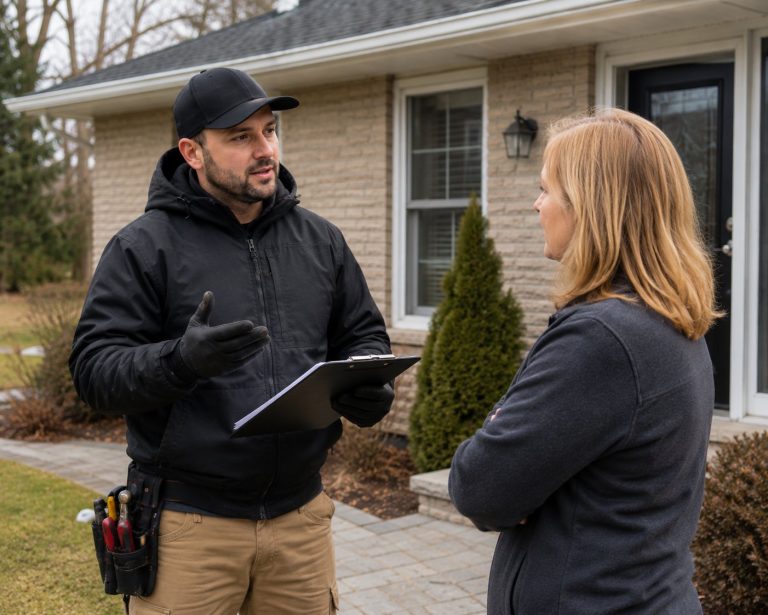
Preparing for Your Inspection
Homeowners usually do not need to do much before the technician arrives. If possible, make sure attic access is clear and unlock any gates that provide access to the backyard. If you’ve noticed specific areas of activity, pointing them out at the beginning of the appointment can help the technician focus the inspection.
Photos or videos of the animal, noises you’ve recorded, or the times you’ve observed activity can also provide useful information. Otherwise, the technician will handle the inspection and determine where to begin.
Why Professional Inspections Save Money
Some homeowners wait until wildlife has caused significant damage before calling for help. Unfortunately, small entry holes often become much larger over time. A squirrel that begins by chewing a small corner of a roof vent may eventually create a large opening that allows additional animals inside. Raccoons can tear apart soffits, contaminate insulation, and damage ductwork if they remain in the attic long enough. Early inspections often identify problems before repairs become far more expensive. Addressing wildlife activity quickly usually results in less damage and a faster resolution.
Why Choose Hamilton Wildlife?
At Hamilton Wildlife, every inspection is performed with the goal of finding the root cause of the problem rather than simply treating the symptoms. Our experienced technicians conduct detailed inspections of your roof, attic, soffits, vents, foundation, decks, sheds, and other vulnerable areas to identify exactly how wildlife is accessing your home.
We use humane removal methods that comply with Ontario regulations and provide long-term exclusion solutions designed to keep wildlife from returning. Whether you’re dealing with squirrels, raccoons, bats, skunks, or other nuisance animals, we’ll explain our findings clearly and recommend the most effective solution for your property.
Schedule Your Wildlife Inspection Today
If you’ve heard scratching in your attic, noticed damage around your roofline, or suspect wildlife has moved into your home, don’t wait for the problem to get worse. A professional inspection can identify the source of the activity before it leads to costly repairs or additional damage.
Hamilton Wildlife provides thorough wildlife inspections throughout Hamilton and the surrounding area. Our knowledgeable technicians will identify the species involved, locate every entry point, assess any damage, and recommend a humane, long-term solution that protects both your home and the wildlife.
Contact Hamilton Wildlife to schedule your professional wildlife inspection and take the first step toward a wildlife-free home.