
Wildlife problems in Hamilton can happen at any time of year, but the type of animal activity homeowners notice often changes with the seasons. Raccoons, squirrels, skunks, bats, mice, and other animals adjust their behaviour based on weather, food availability, breeding cycles, and shelter needs. As a result, a home that seems wildlife-free in one season may suddenly experience scratching in the attic, digging under a deck, or activity around the roofline a few months later.
Understanding seasonal wildlife problems in Hamilton can help homeowners recognize warning signs earlier and take action before minor activity turns into costly damage. Each season brings its own set of challenges, and knowing what to expect can make wildlife prevention much easier.
Why Wildlife Activity Changes Throughout the Year
Wild animals are constantly looking for three things: food, shelter, and a safe place to raise their young. Homes often provide all three. In spring and summer, animals are more active because they are raising babies and searching for reliable food sources. In fall, many species begin preparing for colder weather. Winter pushes wildlife toward warmer and more protected areas such as attics, garages, crawl spaces, sheds, and wall cavities.
Hamilton’s mix of urban neighbourhoods, mature trees, ravines, parks, and older homes creates plenty of opportunities for wildlife to live close to people. Homes near wooded areas or green spaces may experience more activity, but wildlife problems can occur in almost any neighbourhood.
Spring Wildlife Problems in Hamilton
Spring is one of the busiest times of year for wildlife removal. As temperatures rise, many animals begin breeding and searching for nesting locations. Female raccoons, squirrels, and skunks often look for quiet, protected areas where they can give birth. Attics are especially attractive because they are warm, dry, and protected from predators. Raccoons may tear open soffits, roof vents, or other weak areas to access the attic. Squirrels can chew through fascia boards or enter through damaged vents. Skunks may dig beneath decks, sheds, porches, and foundations to establish dens.
Spring is also when homeowners often hear the first noticeable sounds of baby animals. Chirping, squeaking, scratching, or repeated movement in one area of the attic can indicate a mother and her young are present. This is an important time to avoid sealing entry points without first confirming whether babies are inside. Trapping young animals in a structure can create serious problems and may cause the mother to damage another part of the home while trying to regain access.
Squirrel Activity in Spring
Squirrels are especially active in Hamilton during spring. They often use attics to raise litters and may return to the same property year after year if the entry point remains accessible. A small gap near the roofline can quickly become larger as squirrels chew around the opening.
Homeowners may hear running, scratching, or rolling noises in the early morning or late afternoon. Because squirrels are lightweight and fast-moving, the sounds can travel through ceiling joists and walls, making it difficult to identify the exact location of the nest without an inspection.
Raccoon Problems During Baby Season
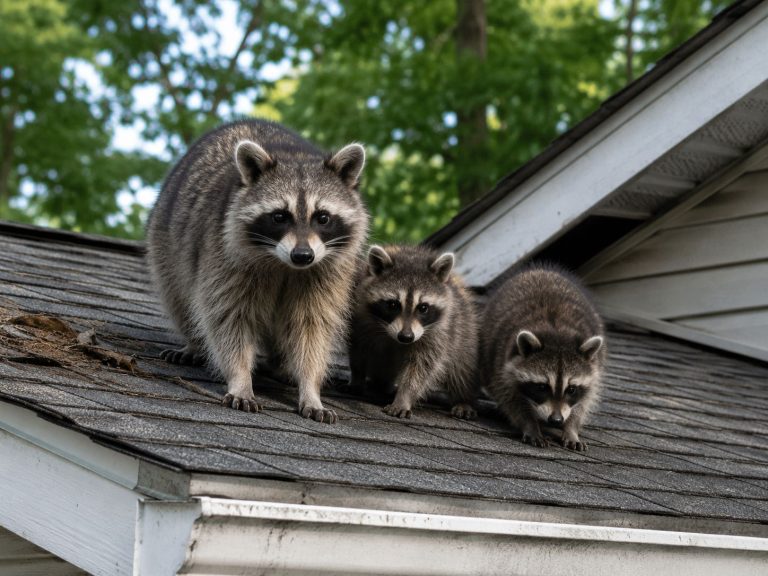
Raccoons are another common spring wildlife problem. A mother raccoon can cause extensive damage while creating a den. She may pull apart soffits, bend roof vents, dislodge shingles, or enlarge an existing opening.
Once inside, raccoons can flatten insulation, contaminate the attic with urine and droppings, and damage ductwork or stored belongings. Because baby raccoons remain dependent on their mother for several weeks, removal during this period requires careful handling. Humane wildlife control focuses on keeping the family together while preventing them from returning to the structure.
Summer Wildlife Problems in Hamilton
Summer brings a different set of concerns. Young animals become more mobile and begin exploring outside their nests. Homeowners may start seeing juvenile raccoons, squirrels, and skunks around their property.
This is also an active time for bats. During warm weather, bats use attics, soffits, wall cavities, and roof gaps as roosting areas. Female bats may form maternity colonies where they raise their young. Homeowners often notice bats flying near the roofline at dusk or hear faint scratching and chirping noises in the attic.
Bat droppings, also known as guano, may accumulate beneath entry points or in attic insulation. Because young bats cannot fly immediately after birth, removal timing is important. Professional bat exclusion is usually scheduled when the young are capable of leaving the structure safely.
Skunks Under Decks and Sheds
Summer can also bring increased skunk activity around decks, sheds, porches, and landscaping. Skunks prefer sheltered ground-level spaces and may take advantage of loose soil or existing gaps beneath structures. A homeowner may notice freshly disturbed soil, a visible burrow entrance, or a strong skunk smell around one part of the yard.
If a skunk has established a den beneath a structure, simply filling the hole with soil is rarely effective. The animal may dig a new entrance nearby. Professional exclusion usually involves allowing the animal to leave before securing the area with buried wire mesh to prevent future digging.
Fall Wildlife Problems in Hamilton
Fall is a major transition period for wildlife. As temperatures begin to drop, animals start searching for warm and protected shelter. This often leads to increased activity around homes. Squirrels may inspect rooflines and attic vents for winter shelter. Raccoons may begin using attics, chimneys, or sheds more frequently. Mice may move indoors through tiny gaps around foundations, utility lines, and garage doors.
This is one of the best times of year to inspect your property for potential entry points. A small opening that goes unnoticed in September can become an active wildlife entry point once cold weather arrives.
Rodent Problems Increase in Fall
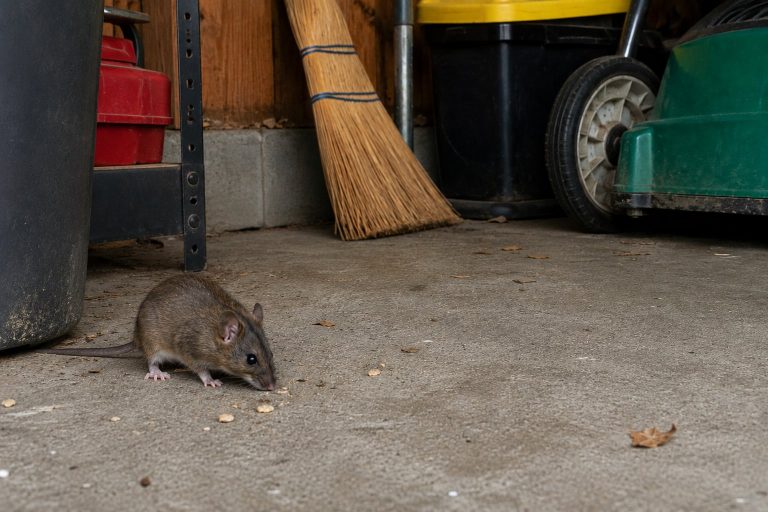
Mice and rats become especially noticeable during the fall. Mice can enter through very small openings and may establish nests inside walls, basements, kitchens, garages, and attics. Rats are more likely to live outdoors initially, especially around garbage areas, decks, sheds, and landscaping, but they may enter buildings if they find suitable access.
Homeowners often first notice rodent problems through droppings, scratching noises, damaged food packaging, or gnaw marks. Because rodents reproduce quickly, early treatment can prevent a small problem from becoming a larger infestation.
Roofline Damage Becomes More Important Before Winter
Fall is also a good time to examine soffits, fascia boards, roof vents, and flashing. Animals frequently take advantage of damaged or aging building materials. Loose soffits, broken vents, and small roof gaps can become entry points for squirrels, bats, raccoons, and other wildlife.
Preventive repairs are usually much easier and less expensive than repairing damage after animals have established themselves inside. A professional wildlife inspection can identify vulnerable areas before winter activity increases.
Winter Wildlife Problems in Hamilton
Winter does not mean wildlife activity stops. In many cases, it simply moves closer to the home. Animals seek warmth and protection from wind, snow, and freezing temperatures. Attics, wall cavities, garages, sheds, and crawl spaces can provide ideal shelter.
Squirrels may remain active in attics throughout winter. Mice can live entirely inside a home without needing to return outdoors. Raccoons may use attics or chimneys as protected resting areas. Homeowners often notice scratching or movement more clearly during winter because windows are closed and the house is quieter.
Why Mice Are Common in Winter
Mice are one of the most persistent winter pests in Hamilton. They can survive comfortably inside heated homes as long as they have access to food and nesting material. Kitchens, pantries, basements, furnace rooms, and garages often provide everything they need.
Small amounts of pet food, crumbs, stored seed, or improperly sealed pantry items can support an indoor mouse population. Because mice can remain hidden behind walls and cabinets, droppings or gnawed packaging may be the first sign of activity.
Wildlife Damage Can Continue All Year
Although wildlife behaviour changes with the seasons, damage can continue at any time. Raccoons and squirrels may damage insulation, vents, and soffits. Rodents can chew wiring and contaminate storage areas. Bats may leave large amounts of guano in attic spaces. Skunks can disturb soil and landscaping while digging beneath structures.
The longer animals remain on a property, the greater the chance that cleanup and repairs will be needed. Early detection is one of the best ways to reduce costs.
Signs of a Seasonal Wildlife Problem
Some signs are easier to notice than others. Scratching in walls or ceilings, droppings, damaged vents, disturbed soil, unusual odours, chewed materials, and visible holes around the roofline can all indicate wildlife activity.
Seeing animals frequently around the same area of the home can also be a clue. For example, a squirrel repeatedly visiting one roof vent may be using it as an entry point. A raccoon climbing the same side of the house each evening may be accessing an attic. Bats repeatedly circling one section of the roof at dusk may be entering through a small gap. Paying attention to these patterns can help identify a problem before the damage becomes severe.
How to Prevent Seasonal Wildlife Problems
Wildlife prevention starts with regular maintenance. Homeowners should inspect the roofline, soffits, vents, foundation, siding, garage doors, decks, and sheds several times a year. Any damaged building materials should be repaired promptly.
Garbage bins should remain securely closed, pet food should not be left outside overnight, and bird seed should be stored in durable containers. Tree branches that provide easy roof access can also be trimmed when appropriate. Preventive work is especially valuable before fall and winter, when many animals begin searching for shelter.
Why Professional Wildlife Inspections Matter
A professional inspection can identify much more than the animal you happen to see. Wildlife technicians look for active entry points, potential entry points, nesting material, droppings, damage, and signs of seasonal breeding activity. They can also determine whether babies are present and recommend the safest time and method for removal.
This is especially important for animals such as bats, raccoons, and squirrels, where timing and exclusion methods can make a major difference. A thorough inspection helps ensure that the underlying cause of the problem is addressed rather than simply removing one animal.
Book Seasonal Wildlife Removal with Hamilton Wildlife
Wildlife problems in Hamilton change throughout the year, but the goal remains the same: remove the animals safely and prevent them from returning.
Hamilton Wildlife provides professional inspections, humane wildlife removal, exclusion work, and repairs for seasonal wildlife problems throughout Hamilton. Whether you are dealing with raccoons in the spring, bats in the summer, rodents in the fall, or squirrels in the winter, our team can help identify the source of the activity and recommend a long-term solution.
If you’ve noticed scratching, droppings, roof damage, burrows, or unusual wildlife activity around your home, reach out to Hamilton Wildlife to schedule a professional inspection. Catching a wildlife problem early can help protect your home and reduce the risk of more extensive damage later.