
Wild animals are a normal part of life in Hamilton and throughout Southern Ontario. Raccoons travel through neighbourhoods at night, squirrels move between mature trees and rooftops, skunks search lawns for food, and bats emerge around sunset to feed on insects. Problems begin when these animals move into homes, attics, garages, sheds, chimneys, or spaces beneath decks and porches.
When wildlife enters a home, simply removing the animal does not always solve the problem. There is usually an entry point that allows it inside, and that opening may continue attracting wildlife unless it is properly secured. There may also be babies present, especially during spring and summer.
Humane wildlife control focuses on resolving these problems while minimizing unnecessary harm to the animals. Instead of relying solely on trapping or relocation, professional wildlife removal often uses inspection, exclusion, one-way doors, repairs, and preventative work to encourage animals to leave and keep them from returning. Understanding how humane wildlife control works can help Hamilton homeowners know what to expect when wildlife moves into or around their property.
What Is Humane Wildlife Control?
Humane wildlife control is an approach to resolving conflicts between people and wild animals without causing unnecessary injury or distress. The goal is not simply to catch an animal. A complete solution considers why the animal is on the property, how it entered the structure, whether young animals are involved, and what can be done to prevent the same problem from happening again.
For example, imagine a squirrel living in an attic. Removing one squirrel without addressing the damaged soffit it used to enter leaves the house vulnerable. Another squirrel could discover the opening days or weeks later. Humane squirrel removal would instead focus on identifying the active entrance, determining whether babies are present, allowing the squirrels to leave when appropriate, and securing the opening. This approach provides a much more effective long-term solution.
Humane Wildlife Control Starts with an Inspection
A professional wildlife inspection in Hamilton is usually the first step. Wildlife technicians need to determine what species is causing the problem and how the animal is accessing the property. The location where homeowners hear scratching is not necessarily where the animal entered.
A squirrel might enter through a roof vent and travel across the attic before nesting above a bedroom. A raccoon could enter through a damaged soffit and move to another part of the attic. A skunk might have multiple openings beneath a deck.
During an inspection, a technician may examine the roofline, soffits, fascia, roof vents, siding, foundation, decks, sheds, chimneys, and other vulnerable areas. Signs such as droppings, tracks, nesting material, chew marks, disturbed insulation, damaged building materials, and visible entry holes can help identify the species involved. The inspection also helps determine whether there are secondary openings that could become future entry points.
Identifying the Animal Is Important
Different wildlife species require different removal strategies. Raccoons are strong enough to tear through damaged soffits and roof vents. Squirrels frequently chew around openings to make them larger. Skunks commonly dig beneath ground-level structures. Bats can squeeze through surprisingly small gaps around rooflines and building materials. Understanding which animal is present helps the technician determine the most appropriate approach.
Activity patterns can provide clues as well. Squirrels are generally active during the daytime, particularly around morning and late afternoon. Raccoons and skunks are more commonly noticed at night. Bats usually become active around dusk. A professional inspection combines these observations with physical evidence around the property.
Checking for Babies Before Wildlife Removal
One of the most important parts of humane wildlife control is determining whether dependent young are present. Raccoons and squirrels frequently use attics to raise their babies. Skunks may establish dens beneath decks, sheds, porches, and additions. Bats can form maternity colonies in attics and roof cavities.
Wildlife removal becomes more complicated during these periods because the babies may not yet be capable of leaving on their own. Simply installing a one-way door or sealing the entry point could separate a mother from her young.
This can cause several problems. The mother may aggressively attempt to regain access, potentially damaging another section of the home. Babies left inside can also move into inaccessible areas or eventually die inside the structure. Professional wildlife control takes breeding and nesting seasons into consideration before exclusion work begins.
How One-Way Wildlife Doors Work
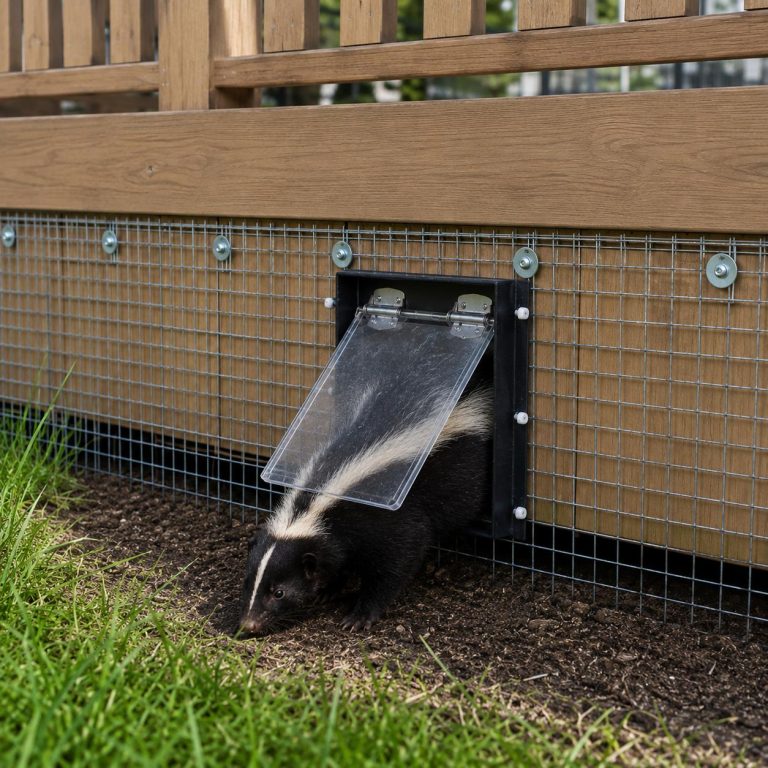
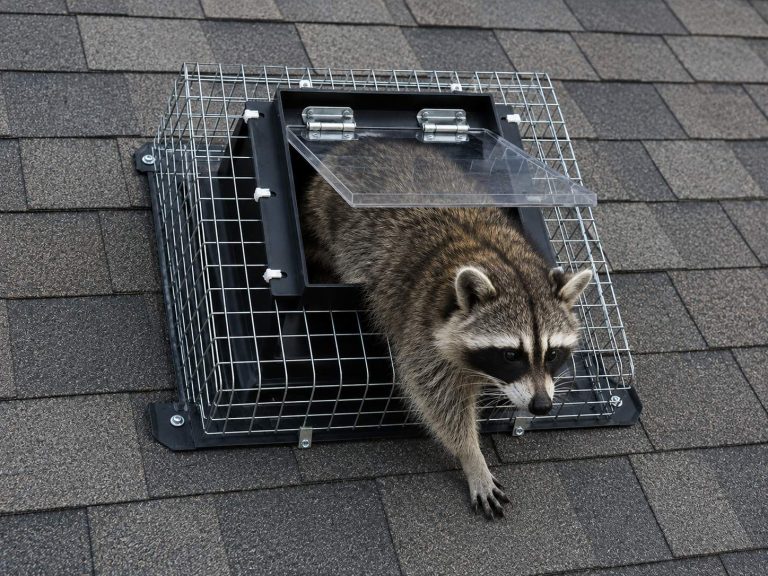
One-way doors are commonly used for humane wildlife exclusion. These devices are installed over an active entry point. The design allows the animal to leave the building but prevents it from getting back through the same opening. The animal can then remain outside rather than being captured and transported somewhere unfamiliar.
The exact device depends on the species and location of the entrance. A squirrel entering through a roof opening requires a different setup from a raccoon using a damaged soffit or a skunk living beneath a deck. Once the technician is confident that the animal has left, the one-way device can be removed and the opening can be permanently secured. One-way exclusion is particularly effective because it addresses the actual behaviour of the animal rather than relying solely on capture.
Why Exclusion Is So Important
Exclusion is one of the most important parts of professional wildlife control. Wild animals are opportunistic. If they discover a warm attic or protected den site that is easy to access, they have little reason to ignore it. Even if the original animal leaves, the opening remains attractive to other wildlife.
Exclusion involves repairing or reinforcing areas that animals can use to enter. Depending on the property, this could include damaged soffits, roof vents, gaps around fascia boards, vulnerable roof intersections, or openings beneath structures. The goal is to make the building difficult for wildlife to re-enter. This is why exclusion is often more valuable than simply trapping an animal.
Humane Raccoon Removal
Raccoons are one of the most common wildlife problems around Hamilton homes. Their strength and climbing ability allow them to reach many parts of a roof. They may pull apart loose soffits, damage roof vents, or take advantage of deteriorated building materials. Once inside an attic, a raccoon may flatten insulation, leave droppings and urine, or damage ductwork and other materials.
Humane raccoon removal begins by locating the active entry point and determining whether babies are present. When conditions allow, exclusion methods can encourage the raccoon to leave while preventing re-entry. The damaged area can then be repaired and reinforced. Addressing the opening is particularly important with raccoons because they may attempt to return to a familiar den site.
Humane Squirrel Removal
Squirrels present a different challenge because of their ability to chew. They can enlarge small openings around soffits, fascia, vents, and roof edges. Once they enter an attic, they may disturb insulation and chew wood, plastic, stored belongings, and other materials. A squirrel problem may first become noticeable through scratching or running sounds during the daytime.
Professional squirrel removal usually involves identifying the main entrance and checking for nesting activity. When appropriate, a one-way exclusion device can allow squirrels to exit. Potential secondary entry points may also need to be secured so the squirrel cannot simply move to another opening nearby.
Humane Skunk Removal
Skunks usually create problems at ground level rather than on the roof. They frequently establish dens beneath decks, sheds, porches, additions, and other structures with accessible soil around the perimeter. A skunk may dig a surprisingly large opening beneath a structure. Simply filling the hole with soil usually does not provide a lasting solution because the animal can dig it open again.
Humane skunk exclusion often involves allowing the animal to leave and then securing the vulnerable area. Buried wire mesh can be installed along the edge of a structure to make it difficult for skunks and other animals to dig underneath. Before closing a den, technicians must also consider whether young skunks could be present.
Humane Bat Exclusion
Bat removal requires special consideration. Bats can enter through small gaps around soffits, flashing, roof edges, vents, and other building materials. Once inside, they may establish roosting areas in attics and wall cavities. Professional bat removal in Hamilton generally relies on exclusion rather than trapping individual bats. One-way devices can allow bats to exit while preventing them from returning. Other potential openings around the structure may also need to be sealed.
Timing is especially important because maternity colonies may contain young bats that cannot yet fly. Excluding adult bats during this period could leave the young trapped inside. For that reason, bat exclusion should be planned around the animals’ seasonal activity and the conditions found during the inspection.
Why Relocation Is Not Always the Best Solution
Homeowners sometimes assume humane wildlife control means trapping an animal and releasing it somewhere far away. In many situations, exclusion provides a better solution. Relocation does not repair the building. If a raccoon is trapped but the soffit remains open, another raccoon or squirrel may eventually enter. Removing animals from familiar territory can also create additional challenges for the animal.
Exclusion allows wildlife to remain in its existing environment while removing access to the home. Trapping may still be appropriate in certain circumstances, but it is generally more effective to correct the condition that allowed the wildlife problem to develop.
Wildlife-Proofing the Property
Once the active animals have been removed, attention turns to prevention. A home may have several vulnerable areas even if wildlife is currently using only one entrance. For example, one roof vent might have been damaged by a squirrel while another nearby vent is beginning to deteriorate. Repairing only the active opening could leave another potential entry point available.
Wildlife-proofing may include reinforcing vents, repairing soffits, securing roofline gaps, installing mesh, or protecting ground-level openings. The exact recommendations depend on the design and condition of the property.
What Happens After Wildlife Leaves?
Once the animals are confirmed to be out, the one-way device can usually be removed and the final entry point secured. Homeowners should continue monitoring the property afterward. Wildlife may return temporarily to investigate a former entrance. This does not necessarily mean the exclusion has failed. An animal that previously used the attic may climb onto the roof and inspect the repaired area before eventually moving on.
Properly secured repairs should prevent the animal from regaining access. If there is significant contamination or insulation damage inside the attic, additional cleanup or repairs may also be needed depending on the extent of the problem.
Why DIY Wildlife Removal Can Go Wrong
Wildlife removal can look straightforward until nesting activity, hidden entrances, or building damage are involved. A homeowner may identify one visible hole and seal it without realizing an animal is still inside. Another common mistake is assuming that because an adult animal is outdoors, the attic must be empty. Wildlife can also react unpredictably when cornered.
Roof access creates another concern. Many wildlife entry points occur around steep or elevated rooflines that are difficult to inspect safely without appropriate equipment. A professional inspection helps identify the species, entry point, nesting situation, and appropriate removal method before repairs begin.
Preventing Future Wildlife Problems
Regular exterior maintenance can reduce the chances of wildlife entering your home. Pay particular attention to soffits, fascia boards, roof vents, flashing, siding, chimneys, and areas where different roof sections meet. At ground level, inspect decks, sheds, porches, and foundations for signs of digging.
Garbage should be securely stored, and pet food should not be left outdoors overnight. Fallen fruit, accessible compost, and spilled bird seed can also attract wildlife to a property. These steps cannot prevent every wildlife encounter, but they can make your home less attractive and easier to protect.
Humane Wildlife Control in Hamilton
Effective wildlife removal is about more than getting an animal out of the house. It requires understanding how the animal entered, whether babies are present, what damage has occurred, and how the property can be secured afterward.
Humane exclusion methods allow wildlife to leave while reducing the chance that the same animal, or another one, will move back into the structure. For Hamilton homeowners, dealing with wildlife early can also help limit damage to soffits, vents, roofing materials, insulation, and other parts of the home.
Book a Wildlife Inspection with Hamilton Wildlife
If you hear scratching in the attic, notice damage around your roofline, discover a burrow beneath your deck, or see wildlife repeatedly entering the same area of your home, Hamilton Wildlife can help.
Our technicians can inspect your property, identify active wildlife entry points, look for signs of nesting activity, and recommend a humane removal and exclusion plan based on the conditions at your home. The goal is not only to get wildlife out, but also to address the openings that allowed the problem to develop. Reach out to Hamilton Wildlife to schedule a professional wildlife inspection and learn more about humane wildlife removal and exclusion for your Hamilton property.