
Squirrels are a common sight throughout Hamilton and Southern Ontario. They run along fences, climb trees, and travel across rooftops in search of food and shelter. While seeing squirrels around your property is usually nothing to worry about, problems can develop when they find their way inside your home.
Attics are particularly attractive to squirrels because they offer protection from predators, harsh weather, and changing temperatures. Unfortunately, once squirrels move into an attic, their activity can cause more than unwanted noises and damaged insulation. One of the more serious concerns is the possibility of squirrels chewing through electrical wiring.
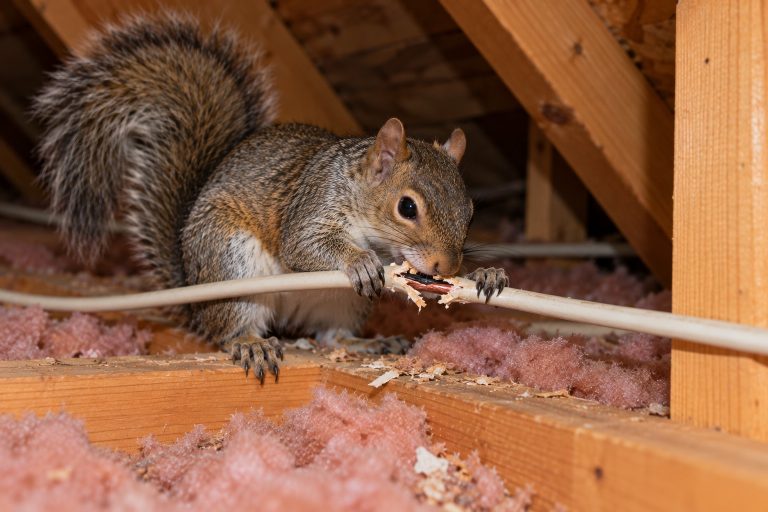
Like other rodents, squirrels have teeth that continue growing throughout their lives. They regularly gnaw on different materials, including wood, plastic, and electrical cable insulation. When squirrels damage wiring inside an attic, they can expose electrical conductors and create conditions that increase the risk of an electrical fault or fire.
Understanding how squirrel damage can become an electrical fire risk is important for Hamilton homeowners, especially when squirrels are active around rooflines or have already entered the attic.
Why Do Squirrels Chew Electrical Wires?
Squirrels belong to the rodent family, which means they have continuously growing front teeth called incisors. These teeth need regular wear to remain functional. In their natural environment, squirrels gnaw on branches, nuts, bark, and other hard materials. However, when squirrels enter a home, they encounter many different materials that they may attempt to chew.
Electrical wires can become targets because of their plastic or rubber-like outer insulation. Squirrels may also chew cables while exploring an attic, creating nesting spaces, or clearing obstacles along their travel routes. Unlike humans, squirrels do not recognize the danger associated with electrical wiring. To them, a cable may simply be another object in their environment.
The problem is that the protective coating surrounding electrical conductors serves an important safety function. Once this insulation becomes damaged, the electrical system may be vulnerable to faults.
How Chewed Electrical Wires Can Cause a Fire
Electrical wiring is designed to carry electricity safely through a building. Insulation helps prevent conductors from coming into contact with each other, nearby materials, or unintended conductive surfaces. When squirrels chew through this protective layer, several electrical hazards can develop. If exposed conductors come into contact with one another or with a grounded surface, a short circuit or ground fault may occur. These faults can generate significant heat and may cause a circuit breaker to trip.
Damaged wiring can also create conditions where electrical arcing occurs. Arcing happens when electricity jumps across a gap or passes through an unintended path. Depending on the circumstances, this can produce enough heat to ignite nearby combustible materials. Attics often contain wood framing, insulation, stored belongings, and other materials that could contribute to a fire if an ignition source develops.
It is important to understand that not every chewed wire will cause an electrical fire. The level of danger depends on the type of wiring, extent of damage, electrical load, and whether protective devices respond correctly. However, damaged electrical wiring should never be ignored simply because the lights and outlets still appear to work.
Why Attics Are Especially Vulnerable to Squirrel Damage
Attics provide squirrels with an environment where they can move around relatively undisturbed. Unlike finished living spaces, attic areas often contain exposed structural framing, insulation, ventilation components, and electrical wiring that may be accessible to wildlife.
Squirrels can travel along wooden beams, roof supports, and other surfaces. They may also move through insulation while building nests or exploring the available space. Electrical cables running across framing members or through accessible sections of the attic can become vulnerable to chewing. Another concern is that damage may remain hidden for an extended period.
A homeowner might hear occasional scratching above the ceiling without realizing that a squirrel has been chewing materials near electrical wiring. Even after the noises stop, damaged cables may remain inside the attic. This is one reason why professional squirrel removal should involve more than simply getting the animal out of the building.
Signs of Squirrels Living in Your Attic
Squirrels are generally active during daylight hours, which can help distinguish their behaviour from some other wildlife species. Homeowners may first notice scratching, running, or chewing sounds coming from the ceiling or upper walls. These noises are often most noticeable during the morning or late afternoon.
Another common sign is seeing squirrels repeatedly travelling along the roofline. If a squirrel regularly disappears beneath a soffit, behind fascia boards, or through a damaged roof vent, there may be an established entrance into the attic.
Other signs of squirrel activity can include:
- Chewed or damaged roof vents and soffit materials.
- Disturbed attic insulation and nesting debris.
- Squirrel droppings inside accessible attic spaces.
- Scratching or running sounds during daylight hours.
- Visible chewing around roofline openings.
These signs do not necessarily mean electrical wiring has been damaged, but they indicate that squirrels may have access to areas where wiring is present.
Warning Signs of Possible Electrical Damage
Some electrical problems may become noticeable inside the home, although damaged attic wiring can also remain hidden. One potential warning sign is a circuit breaker that repeatedly trips without an obvious explanation. Another is flickering lights or outlets that stop working unexpectedly.
Homeowners should also take unusual burning smells, buzzing or crackling sounds near electrical fixtures, and visible scorch marks seriously. These symptoms can have several causes unrelated to wildlife, but squirrel activity may be a contributing factor if animals have access to the attic.
If you suspect electrical wiring has been damaged, avoid touching exposed cables or attempting to inspect live electrical components. A licensed electrician should assess the wiring and determine whether repairs are necessary. If there is smoke, visible fire, or an immediate danger, leave the building and contact emergency services.
Other Types of Damage Squirrels Can Cause
Although electrical wiring is a major concern, squirrels can damage several other parts of a home.
Damage to Roof Vents and Soffits
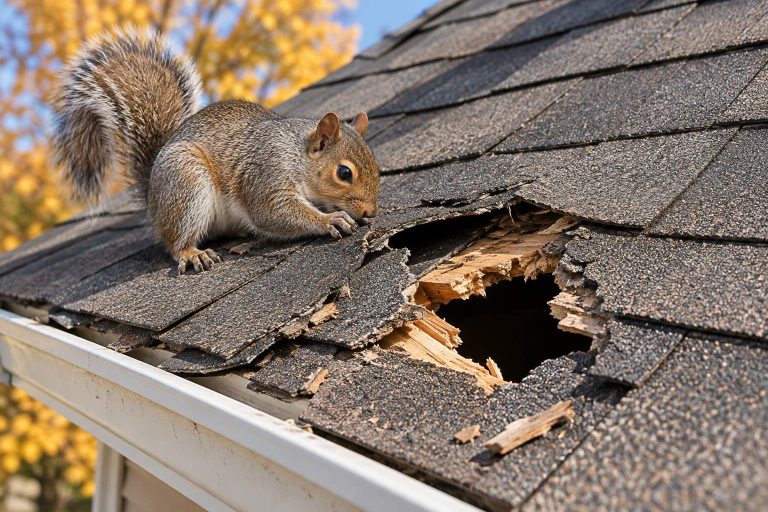
Squirrels frequently enter homes through openings around the roofline. They may chew through plastic roof vents, enlarge gaps in deteriorated wood, or exploit loose soffit panels. Over time, repeated chewing can make an entrance larger.
Once an opening is established, squirrels may use it repeatedly to access the attic. Damaged roofline materials can also allow rainwater, insects, and other wildlife to enter.
Contaminated Attic Insulation
Squirrels may use insulation to create nesting areas or travel paths. As they move through the attic, they can flatten, displace, or tear apart insulation. Droppings and urine may also accumulate in areas where squirrels spend time. Contaminated or damaged insulation may require professional assessment and cleanup, depending on the extent of the activity.
Damage to Stored Items and Building Materials
Attics sometimes contain stored belongings, cardboard boxes, fabric, and other materials that squirrels may chew or use for nesting. Wood framing and plastic components can also become damaged. While some chewing may be relatively minor, repeated activity over time can create additional maintenance concerns.
When Are Squirrels Most Likely to Enter Hamilton Homes?
Squirrels remain active throughout the year in Southern Ontario, although their behaviour changes with the seasons.
Spring and late summer into early fall are important periods because squirrels may be raising young. Attics can provide sheltered nesting locations away from predators and outdoor weather.
During fall, squirrels also spend more time gathering food and preparing for colder conditions. Existing openings around a roofline may become attractive as outdoor temperatures decline.
Winter does not necessarily mean squirrel activity stops. Unlike some animals that enter prolonged hibernation, eastern gray squirrels remain active during the colder months. A squirrel that has established access to an attic may continue using the space throughout winter.
For Hamilton homeowners, this means squirrel prevention and roofline maintenance are important year-round.
Why Squirrel Problems Should Be Addressed Early
One of the challenges with squirrel activity is that damage can develop gradually. A homeowner may initially hear only occasional scratching. As the animal continues using the attic, it may create nesting areas, chew additional materials, and enlarge its entrance. If electrical wiring is accessible, the possibility of cable damage remains as long as squirrels can move through those areas.
Waiting until there is an obvious electrical problem is not a good prevention strategy. Early inspection can help determine whether squirrels have entered the structure, identify the active entrance, and establish a plan to remove them. Addressing the problem before extensive damage occurs may also reduce the amount of repair work required afterward.
How Professional Squirrel Removal Works
Professional squirrel removal in Hamilton generally begins with a wildlife inspection. A technician examines the roofline and other accessible areas to identify where squirrels are entering the building. Common entry points include damaged roof vents, soffits, fascia boards, and gaps around roof intersections.
The technician also considers whether there may be dependent baby squirrels inside. This is particularly important during nesting seasons because sealing an opening while babies remain inside can create additional problems. Once the situation has been assessed, an appropriate humane removal and exclusion plan can be developed.
Humane Squirrel Exclusion
One-way doors are commonly used for squirrel exclusion when conditions allow. These devices are installed over an active entry point and are designed to let squirrels leave the building without allowing them to return through the same opening. Other vulnerable areas may also need to be secured to prevent squirrels from finding another way inside.
After the animals have exited, the one-way door can be removed and the remaining entrance permanently sealed. This approach focuses on both removing the squirrels and preventing future access.
Repairing Squirrel Entry Points
Exclusion work is an important part of long-term squirrel prevention. If the original opening is left unrepaired, another squirrel may discover and use it.
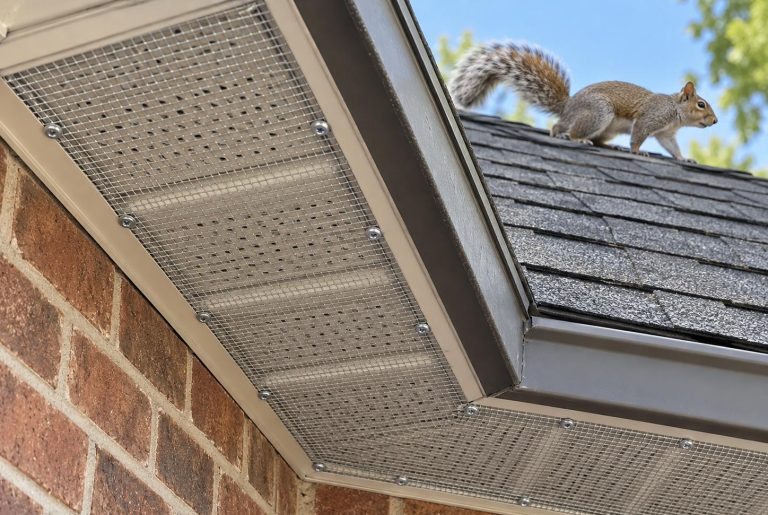
Depending on the property, repairs may involve reinforcing vulnerable roof vents, securing soffits, repairing damaged materials, or sealing gaps around the roofline. The objective is to make the building more resistant to future wildlife entry.
What Should You Do if Squirrels Have Chewed Electrical Wires?
If squirrel activity has been discovered in an attic, it is important to consider whether electrical wiring may have been affected. A wildlife technician can help identify signs of squirrel activity and the areas where the animals have been travelling. However, electrical repairs should be handled by a qualified professional.
A licensed electrician can inspect accessible wiring, identify damaged insulation or conductors, and determine whether cables need to be repaired or replaced. In some cases, damage may be limited to one accessible section. In others, a more extensive inspection may be needed.
Homeowners should not attempt to repair chewed electrical cables using ordinary tape or improvised materials. Electrical wiring needs to meet applicable safety requirements, and damaged sections must be assessed properly. If there is reason to suspect an immediate electrical hazard, the affected circuit should be made safe by a qualified person before anyone works nearby.
Can Squirrel Damage Cause a Fire After the Animals Are Removed?
Yes. Removing squirrels does not automatically eliminate electrical hazards they may have created. If a squirrel has already damaged cable insulation, the wiring may remain compromised even after the animal leaves the attic.
This is why wildlife removal and property repairs are separate but related parts of resolving an infestation. The wildlife technician focuses on removing the animals and preventing re-entry. An electrician addresses any electrical damage. Homeowners who have experienced extensive squirrel activity should consider having accessible attic wiring assessed, particularly if there are signs of chewing or unexplained electrical issues.
How to Prevent Squirrels from Entering Your Attic
Preventing squirrels from reaching vulnerable interior spaces is one of the best ways to reduce the risk of damage. Start by inspecting the exterior roofline for visible openings. Roof vents, soffits, fascia boards, and areas where different roof sections meet are particularly important. Deteriorated materials should be repaired before squirrels can take advantage of them.
Tree branches that extend directly over the roof can also provide convenient access. Trimming these branches where appropriate may reduce some access routes, although squirrels can still climb buildings using other surfaces.
Regularly watch for animals travelling to the same area of the roof. If a squirrel repeatedly disappears into one location, an active entrance may already exist. Avoid sealing a suspected entrance until you are confident no animals or dependent young remain inside. Professional wildlife exclusion can help address existing activity while securing the vulnerable areas that allowed the problem to develop.
Why DIY Squirrel Removal Can Be Risky
Homeowners sometimes attempt to solve squirrel problems by blocking visible openings or installing materials around the roofline. However, squirrel removal is not always as simple as closing a hole. There may be multiple entrances, hidden nesting areas, or babies inside the attic. Sealing an active opening can trap animals inside the structure, potentially leading to further damage as they attempt to escape.
Working around elevated rooflines also creates fall hazards. If electrical wiring has been damaged, entering the attic without understanding the condition of the wiring may introduce additional safety concerns. A professional wildlife inspection can help identify the active entry point and determine the appropriate removal strategy before permanent exclusion work begins.
Protecting Hamilton Homes from Squirrel Damage
Squirrels are a natural part of Hamilton’s urban and suburban environment, and their presence outdoors is not necessarily a problem. The concern begins when they gain access to attics, roof cavities, and other areas of a home.
Chewing behaviour can damage vents, soffits, insulation, and electrical wiring. Although not every squirrel infestation results in an electrical hazard, damaged cable insulation can create conditions that increase the risk of electrical faults and fires.
The most effective approach is to identify squirrel activity early, arrange appropriate removal, secure entry points, and have any suspected electrical damage inspected by a licensed electrician. Taking these steps can help prevent a relatively small wildlife problem from developing into a more serious property maintenance or safety issue.
Book a Squirrel Inspection with Hamilton Wildlife
If you hear scratching or running sounds in your attic, notice squirrels repeatedly travelling along your roofline, or discover damaged soffits and roof vents, Hamilton Wildlife can help. Our wildlife technicians can inspect your property for signs of squirrel activity, identify potential entry points, and recommend humane squirrel removal and exclusion methods based on the conditions at your home.
We focus on addressing the openings that allow wildlife to enter, helping reduce the likelihood of squirrels returning after removal. If electrical wiring may have been damaged, we also recommend having it assessed by a licensed electrician to ensure any electrical hazards are properly addressed.
Reach out to our team at Hamilton Wildlife to book a professional squirrel inspection in Hamilton and take the first step toward protecting your home from wildlife damage.