
Finding bats in your attic is concerning enough, but many homeowners are surprised to learn that the bats themselves are often only part of the problem. Over time, a bat colony can leave behind significant amounts of guano, which is the term used for bat droppings. While guano may seem similar to the droppings left by other animals, it can present unique health concerns when allowed to accumulate inside a home.
If bats have been living in your attic, removing the colony is only the first step. Proper cleanup is essential to restore the attic, eliminate odors, and reduce potential health risks for everyone in the home.
This guide explains what bat guano is, why it can become hazardous, how to recognize contamination, and why professional cleanup is an important part of complete bat removal.
What Is Bat Guano?
Bat guano is the droppings left behind by bats as they roost inside buildings. Unlike many other wildlife species, bats often remain in the same location for extended periods, causing droppings to accumulate beneath their roosting sites.
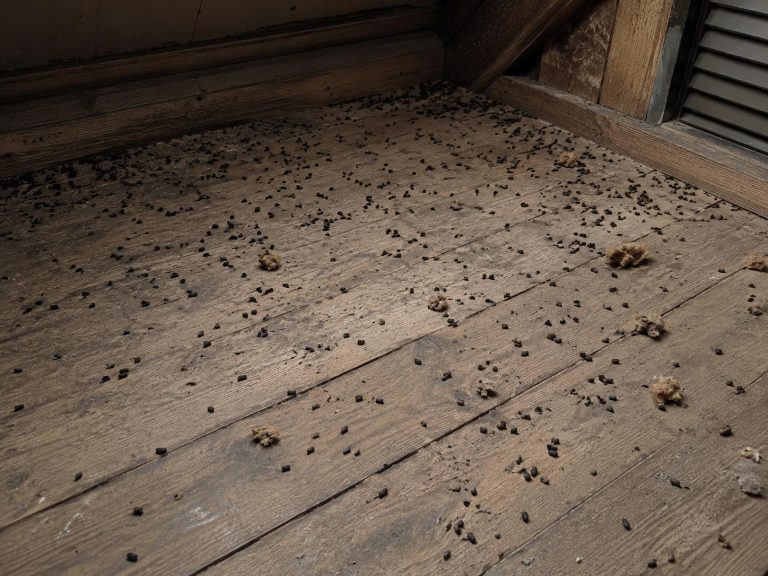
Fresh guano is usually dark brown or black and has a shiny appearance because of the insect fragments it contains. As it dries, it becomes brittle and breaks apart easily.
In homes where bats have been present for months or even years, large piles of guano can develop in attic spaces, behind walls, or beneath roof vents and soffits where bats regularly enter and exit. The larger the colony, the greater the amount of guano that can accumulate.
How to Recognize Bat Guano
Bat guano is usually easy to identify once you know what to look for. The droppings are generally small, dark, and slightly elongated. Because bats feed almost exclusively on insects, guano often contains tiny fragments of insect wings and exoskeletons.
Unlike mouse droppings, bat guano tends to crumble into a powder when gently pressed because of these insect remains. Homeowners often find guano beneath attic rafters, near roof vents, along soffits, or directly below exterior entry points where bats regularly exit the building at dusk. If you discover these droppings, it is a good indication that bats have been roosting nearby.
Why Bat Guano Can Be Hazardous
One of the biggest concerns with bat guano is that it can affect indoor air quality. As droppings dry out, they may crumble into fine particles. If these particles become airborne during cleaning or attic work, they can be inhaled.
Bat guano can also support the growth of certain fungi under the right environmental conditions. Disturbing contaminated material without proper precautions may expose people to fungal spores and other airborne contaminants.
Although serious illness is relatively uncommon, it is important to treat large accumulations of guano with caution rather than attempting to clean them without appropriate protective equipment. Professional cleanup helps minimize unnecessary exposure while safely removing contaminated materials.
Strong Odours Can Develop
Another common problem associated with bat guano is odour. As droppings and urine accumulate over time, they create a strong, musty smell that often becomes noticeable inside the home.
The odor may enter living spaces through attic hatches, light fixtures, ceiling penetrations, or ventilation systems. During warm weather, the smell often becomes stronger as attic temperatures rise. Many homeowners first discover a hidden bat colony because of an unusual odour before they ever see a bat.
Guano Can Damage Attic Insulation
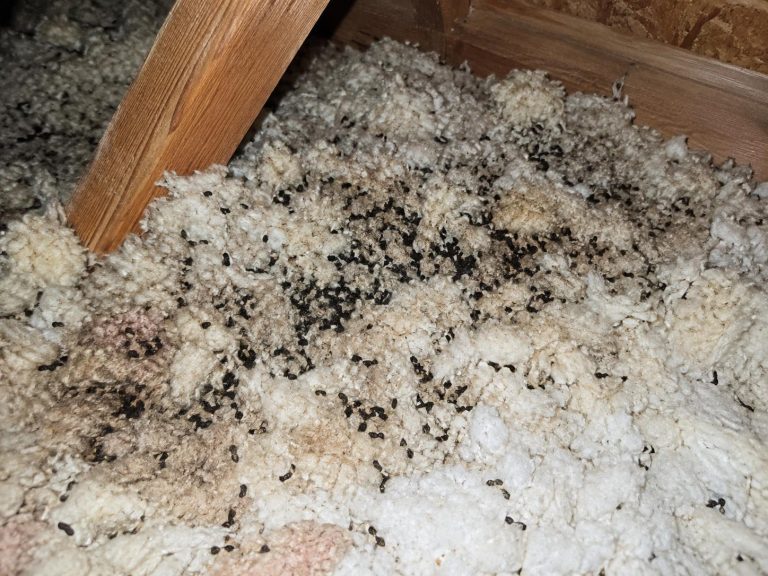
Bat guano does more than create unpleasant smells. Over time, droppings can contaminate attic insulation, reducing its effectiveness and making replacement necessary. Fiberglass and blown-in insulation absorb moisture and contaminants, making thorough cleaning difficult once significant contamination occurs.
If a colony has occupied the attic for an extended period, portions of the insulation may need to be removed and replaced to restore the attic to a clean and energy-efficient condition. This is one reason why addressing a bat infestation early can significantly reduce repair costs.
Staining and Structural Contamination
As guano continues to accumulate, it can stain wood framing, drywall, and other building materials. Urine may soak into wooden rafters, ceiling joists, and insulation beneath the roosting area.
While minor staining is usually cosmetic, long-term contamination can contribute to lingering odours that persist even after the bats have been removed. Professional cleanup often includes sanitizing affected surfaces to help eliminate odour-causing organic material.
Why You Should Avoid Cleaning Guano Yourself
Many homeowners assume they can simply vacuum or sweep bat droppings after the bats are gone. Unfortunately, disturbing dry guano without the proper equipment can send fine particles into the air. Standard household vacuums are generally not designed to safely handle wildlife contamination and may actually spread airborne particles throughout the attic or living space.
Without proper respiratory protection, homeowners may unknowingly expose themselves to dust and contaminants while attempting cleanup. Professional wildlife cleanup uses specialized equipment and procedures designed to reduce airborne exposure while safely removing contaminated material.
Why Bat Removal Should Come First
Cleaning an attic before the bats have been excluded is usually ineffective. As long as bats continue using the attic, new droppings will accumulate. A complete bat removal project begins with identifying all active entry points, determining whether the colony includes young bats, and performing humane exclusion during the appropriate season.
Only after the bats have permanently left the structure should cleanup and restoration begin. This ensures the attic remains clean once the restoration work is complete.
What Professional Guano Cleanup Includes
Every attic is different, but professional cleanup generally begins with an assessment of the contamination. The wildlife technician determines how much guano has accumulated, whether insulation has been affected, and which building materials require cleaning or replacement.
Loose droppings are carefully removed using specialized equipment designed for wildlife cleanup. Contaminated insulation may be removed where necessary, followed by sanitizing and deodorizing affected surfaces.
If new insulation is required, it can then be installed to restore the attic’s thermal performance. The result is an attic that is cleaner, healthier, and protected from future wildlife activity.
Preventing Future Guano Problems
The best way to prevent bat guano accumulation is to keep bats from entering the home in the first place. After a successful exclusion, all entry points should be professionally sealed using durable materials designed to withstand weather and future wildlife activity.
Routine roof inspections can also identify developing gaps before bats discover them. Homeowners should pay particular attention to roof vents, soffits, fascia boards, chimney flashing, and small construction gaps around the roofline. Early maintenance is almost always less expensive than cleaning a heavily contaminated attic.
Why Professional Bat Removal Protects Your Home
Humane bat exclusion and proper attic restoration work together to solve the entire problem. Simply removing the bats without addressing contamination leaves behind odours and damaged insulation. Likewise, cleaning the attic without sealing entry points allows future colonies to return.
Professional wildlife services provide a complete solution by removing the bats, preventing re-entry, and restoring the attic after the infestation has ended. This approach protects both your home and Ontario’s important bat populations.
Book Bat Removal and Guano Cleanup with Hamilton Wildlife
If you’ve discovered bats in your attic or noticed bat guano inside your home, don’t wait for the contamination to become worse.
Hamilton Wildlife provides professional bat inspections, humane bat removal, exclusion services, and attic cleanup throughout Hamilton and the surrounding communities. Our experienced team safely removes bat colonies, seals entry points, and restores contaminated attic spaces to help protect your home and your family’s health.
If you suspect bats are living in your attic or have found bat droppings around your home, contact Hamilton Wildlife today to schedule a professional inspection and learn more about our complete bat removal and guano cleanup services.