
Bats play an important role in the ecosystem, helping control insect populations and supporting a healthy environment. However, when bats move into your attic or walls, they quickly become a serious concern for homeowners. In Hamilton, bat activity is not uncommon, especially in homes near wooded areas, the escarpment, and older neighborhoods with aging rooflines.
If you suspect bats are living in your home, it is important to understand that bat removal is very different from other types of wildlife control. There are strict laws, safety considerations, and specific removal methods that must be followed.
This guide explains everything homeowners need to know about bat removal in Hamilton, including legal requirements, health risks, and how the professional removal process works.
Why Bats Enter Homes in Hamilton
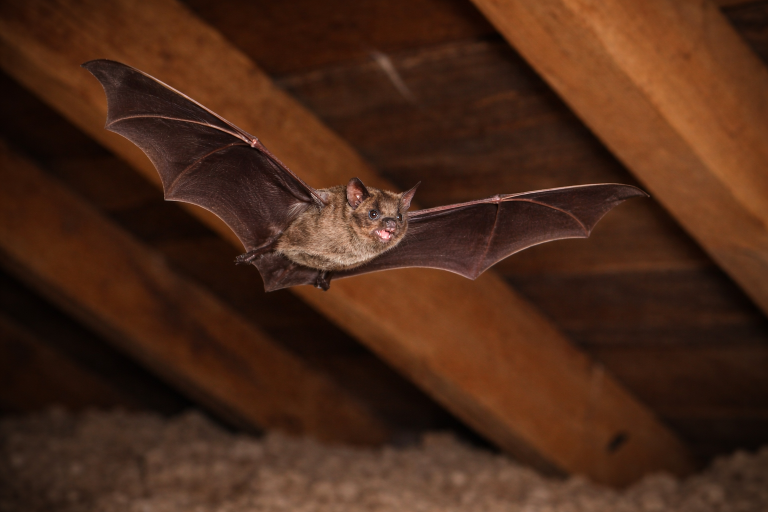
Bats are drawn to quiet, dark spaces where they can roost undisturbed. Attics, rooflines, and wall cavities provide ideal conditions. These areas mimic the natural environments bats would use, such as caves or tree hollows.
In Hamilton, bat activity tends to increase during warmer months. Female bats form maternity colonies in spring and summer, seeking safe places to give birth and raise their young. Attics are one of the most common locations for these colonies. Because bats can squeeze through very small gaps, even well-maintained homes may be vulnerable if there are tiny openings along the roofline.
Signs of Bats in Your Home
Bat infestations often go unnoticed at first. Unlike raccoons or squirrels, bats are quiet and typically active at dusk.
Homeowners may notice:
- Light scratching or fluttering sounds in walls or ceilings
- Bats flying near the roofline at sunset
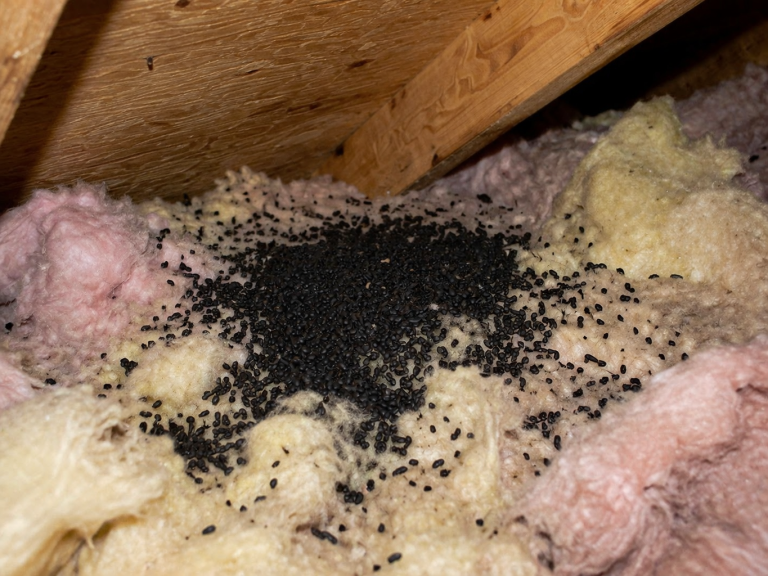
- Small droppings (guano) accumulating near entry points
- Dark staining around roof gaps or vents
Guano buildup is one of the most noticeable signs. It often collects on insulation or beneath entry areas. Over time, this accumulation can create strong odours and sanitation concerns.
Bat Removal Laws in Ontario
Bat removal is regulated in Ontario to protect these important species. Many bats are protected under wildlife conservation laws, and improper removal can lead to legal consequences. One of the most important considerations is timing.
During their maternity season, which typically runs from late spring through summer, bats cannot be excluded from a structure if flightless young are present. Blocking entry points during this time can trap baby bats inside, leading to serious welfare issues and odour problems in the home. Because of these regulations, bat removal must be planned carefully. Professional wildlife technicians understand when and how exclusion can be performed legally.
Health and Safety Concerns
While bats are beneficial outdoors, they can create health concerns when inside a home. Bat guano can accumulate quickly and may contain harmful spores that affect indoor air quality. Over time, this can lead to respiratory issues if not properly cleaned.
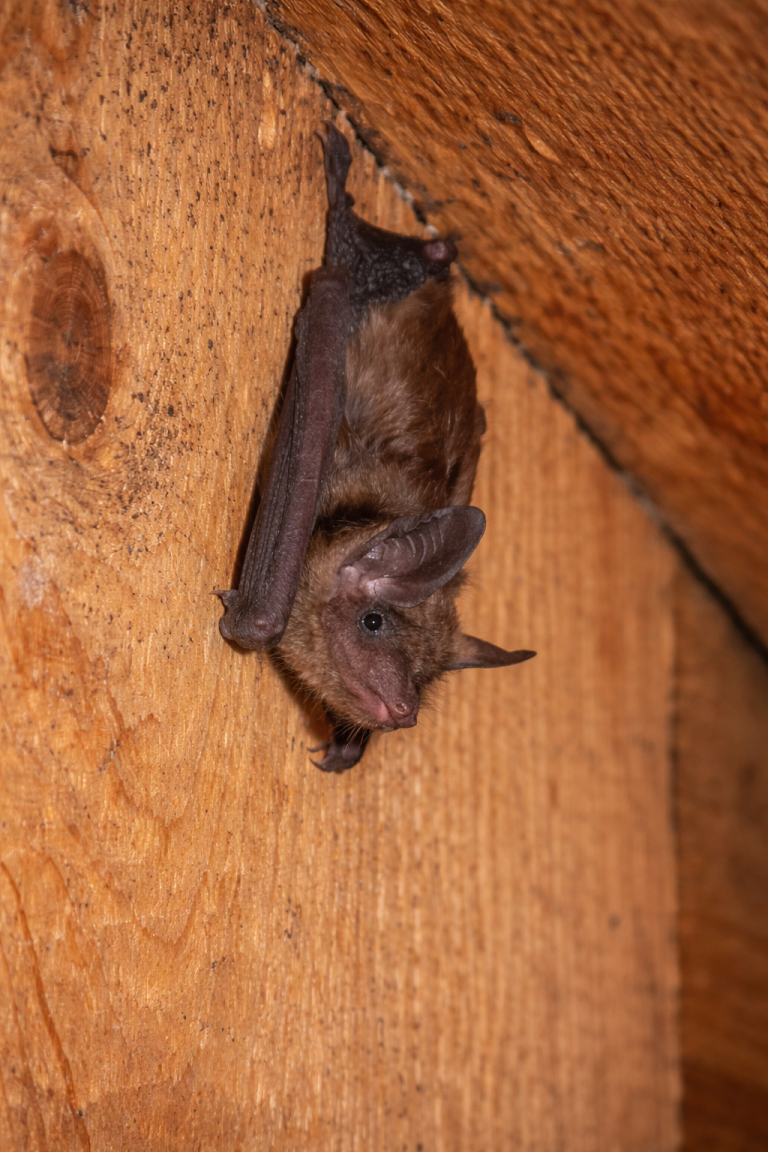
There is also a small risk of rabies associated with bats. Direct contact should always be avoided. If a bat is found inside living space, it should be handled by a professional. Because bats often roost in groups, the amount of contamination can increase significantly if the problem is not addressed early.
Why DIY Bat Removal Is Not Recommended
Removing bats without proper knowledge can create serious problems. Sealing entry points without confirming all bats have exited can trap them inside. This often leads to bats entering living spaces in search of an escape.
Handling bats directly is also risky due to potential disease exposure. In addition, improper removal may violate provincial regulations, especially during restricted periods. Bat removal requires a precise approach that protects both the homeowner and the animals.
How Professional Bat Removal Works
Bat removal focuses on humane exclusion rather than trapping. The process begins with a detailed inspection of the home. A technician identifies entry points, assesses the size of the colony, and determines whether removal can be performed immediately or must be scheduled outside of maternity season.
Once conditions allow, one-way exclusion devices are installed over the entry points. These devices allow bats to leave the structure naturally but prevent them from returning. Over a period of days, the bats exit the home. After confirming that all bats have left, the entry points are permanently sealed. This step is critical. Even a small gap can allow bats to return in the future.
Cleanup and Restoration
After bats have been removed, cleanup may be necessary depending on the level of contamination. Guano and soiled insulation are carefully removed to restore attic conditions. Proper sanitation reduces odors and improves air quality.
In some cases, insulation replacement may be recommended if the contamination is extensive. Addressing cleanup ensures the home is fully restored after the removal process.
Preventing Future Bat Problems
Prevention is an important part of bat control. Homes with small gaps along rooflines or vents are more likely to experience bat activity. Sealing openings, installing proper vent covers, and maintaining roof structures can significantly reduce the risk.
Because bats can enter through very small spaces, professional inspections are often the most effective way to identify vulnerabilities. Preventative work helps ensure that bats do not return in future seasons.
When to Call for Bat Removal
If you see bats flying around your home at dusk, notice droppings near your roofline, or hear light movement in your attic, it is time to schedule an inspection.
Bat problems should not be ignored. While they may seem minor at first, colonies can grow over time and lead to increased contamination. Early action allows for a smoother removal process and reduces the risk of damage.
Book Bat Removal with Hamilton Wildlife
If you suspect bats are living in your home, professional help ensures safe, legal, and effective removal. Hamilton Wildlife specializes in humane bat removal and exclusion throughout Hamilton. Our team understands local regulations, seasonal restrictions, and proper removal techniques to protect both your home and the bats.
Do not attempt to handle bat removal on your own. Contact Hamilton Wildlife today to schedule your inspection and ensure your home is safely and properly protected.