
Finding a skunk living under your deck or shed is a common issue for homeowners in Hamilton. These animals are known for their strong odor, but the smell is only part of the problem. Skunks often dig and burrow beneath structures, creating hidden dens that can lead to property damage and ongoing wildlife activity.
If you have noticed digging around your deck, a strong lingering odor, or signs of animal activity in your yard, a skunk may have already moved in. Understanding why skunks choose these areas and how to deal with them properly is key to protecting your home.
This guide explains why skunks target decks and sheds, how to identify their presence, and what homeowners should know about safe and effective removal.
Why Skunks Choose Decks and Sheds
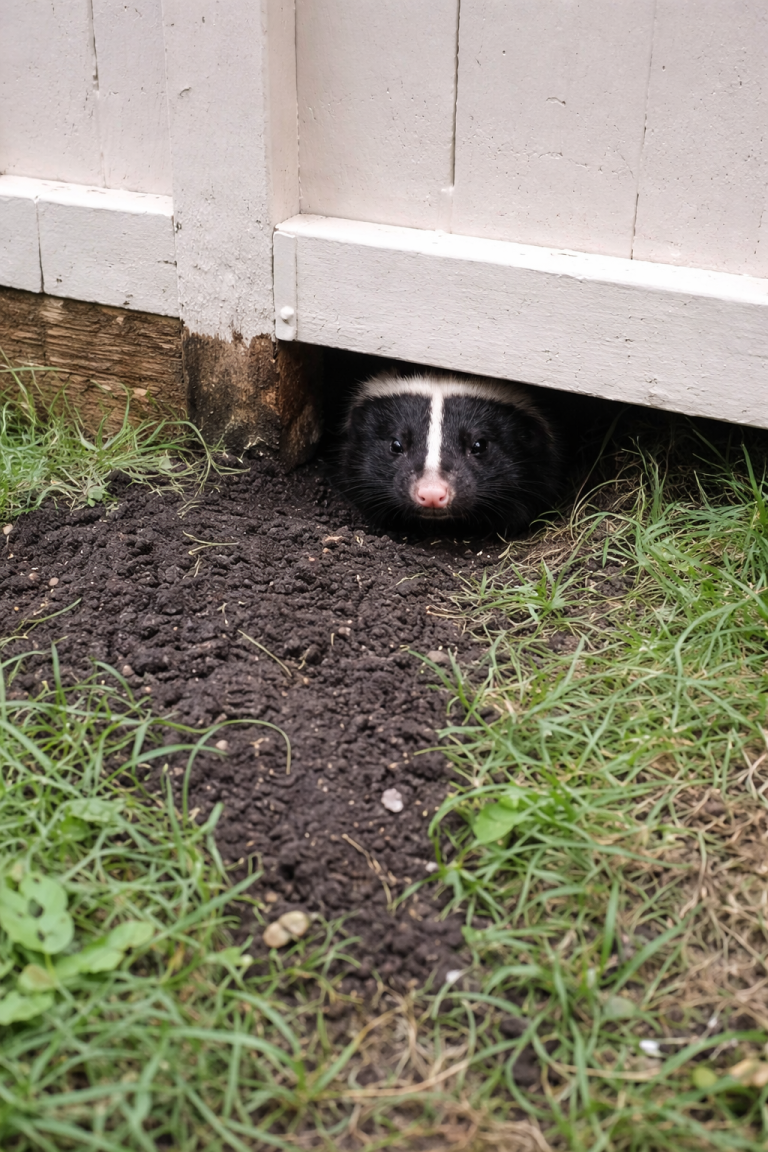
Skunks are ground-dwelling animals that prefer sheltered, enclosed spaces. Unlike squirrels or raccoons, they do not climb into attics. Instead, they look for protection at ground level. Decks and sheds provide the perfect environment. These structures offer shade, protection from predators, and a dry space to build a den. If there is even a small gap along the edge, a skunk can dig underneath and create a nesting area.
Hamilton properties often have older decks or sheds with open gaps along the base. Over time, soil shifts and materials wear down, making it easier for wildlife to access these areas. Once a skunk finds a suitable space, it may stay for weeks or even months, especially if food sources are nearby.
Signs of a Skunk Living Under Your Deck
The most recognizable sign of a skunk is its odor. Even if you never see the animal, the smell can linger around your property, especially in the evening.
However, there are other signs that are just as important. Homeowners may notice fresh digging along the edge of the deck or shed. The soil may appear disturbed, with a small tunnel leading underneath the structure. Grass in the surrounding area may also show signs of digging. Skunks search for insects such as grubs, and this often results in small holes scattered across the lawn.
You may also notice increased activity at night. Skunks are nocturnal, so movement typically happens after dark. If these signs appear together, it is likely that a skunk has established a den beneath your structure.
Why Skunks Dig Under Structures
Digging is a natural behavior for skunks. They use their strong front claws to create burrows where they can rest and raise their young. Under decks and sheds, the soil is often softer and easier to dig. These areas also provide consistent protection from weather conditions.
During colder months, skunks use these dens to stay warm. In spring, female skunks often give birth in these spaces, making the area even more important to them. Once a den is established, the skunk will continue to use it until it is forced to leave.
The Risks of Skunks Under Your Deck
Having a skunk living under your deck or shed can lead to several problems. The most immediate concern is the risk of spraying. Skunks spray as a defense mechanism when they feel threatened. If this happens near your home, the odor can enter the structure and linger for days. Structural damage is another issue. Digging can weaken the support around decks and sheds, especially if the activity continues over time. There are also health considerations. Skunks can carry parasites and diseases, and their droppings can contaminate the surrounding area.
If babies are present, the problem can become more complicated. Removing the mother without addressing the young can lead to additional issues, including odor and repeated attempts by the mother to return.
Why Skunks Keep Coming Back
One of the challenges with skunks is that they tend to return to areas that have already been used as dens. If a deck or shed has open access, another skunk may move in even after the original one leaves.
This is why removal alone is not enough. Preventing future access is just as important as addressing the current problem. Without proper exclusion work, the cycle can continue year after year
Why DIY Removal Often Doesn’t Work
Many homeowners attempt to deal with skunks on their own by blocking the opening or trying to scare the animal away. Blocking the entrance without confirming the skunk has left can trap it underneath the structure. This often leads to increased digging as the skunk tries to escape. Trying to approach or remove a skunk directly can also result in spraying. The odor can be extremely difficult to remove from clothing, pets, and the home itself.
If baby skunks are present, the situation becomes even more sensitive. Improper handling can separate them from the mother and create additional complications. Professional removal ensures the process is handled safely and effectively.
How Professional Skunk Removal Works
The first step in professional skunk removal is a thorough inspection. A technician will assess the property to confirm the presence of a skunk and identify the entry point.
If a den is active, a one-way door is installed over the entrance. This allows the skunk to leave but prevents it from returning. If babies are present, the removal process is handled carefully to ensure they are safely relocated with the mother.
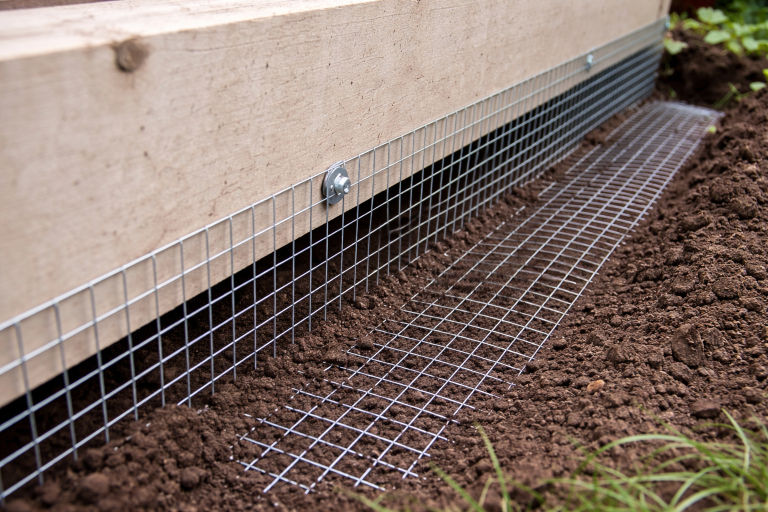
Once the skunk has vacated the area, the entry point is sealed. This often involves installing a barrier such as steel mesh along the base of the deck or shed. The mesh is buried into the ground to prevent future digging. This step is essential for long-term protection.
Preventing Skunks from Returning
Preventing skunks from coming back involves addressing both access points and attractants. Sealing the base of decks and sheds eliminates potential den sites. This is the most effective way to prevent future infestations. Reducing food sources also helps. Keeping garbage secured and addressing grub activity in the lawn can make your property less attractive.
Routine inspections of your property can identify small issues before they become larger problems. Prevention is always easier than dealing with an established den.
When to Call for Skunk Removal
If you notice digging under your deck, smell a strong odour, or suspect a skunk may be living on your property, it is best to act quickly. The longer a skunk remains, the more likely it is to cause damage or return in the future.
Even if you are unsure, a professional inspection can confirm whether a skunk is present and recommend the best course of action. Early removal reduces the risk of complications and helps protect your home.
Book Skunk Removal with Hamilton Wildlife
If you have a skunk living under your deck or shed, professional removal ensures the problem is handled safely and permanently. Hamilton Wildlife provides expert skunk removal services throughout Hamilton. Our team uses humane methods to remove skunks and installs durable barriers to prevent them from returning.
Do not risk dealing with skunks on your own. Contact Hamilton Wildlife to schedule an inspection and secure your property from unwanted wildlife.