
Squirrels may look harmless as they run across fences and leap between trees, but when they enter your home, they can cause serious damage. In Hamilton, squirrel activity is one of the most common wildlife concerns for homeowners. With mature neighborhoods, heavy tree cover, and accessible rooflines, Hamilton provides ideal conditions for squirrels to thrive.
If you are hearing scratching in your attic, noticing damage along your roofline, or seeing squirrels repeatedly on your home, it is important to act quickly. This complete guide explains how squirrel removal in Hamilton works, why squirrels target homes, the risks they pose, and how professional wildlife control protects your property long term.
Why Squirrels Enter Hamilton Homes
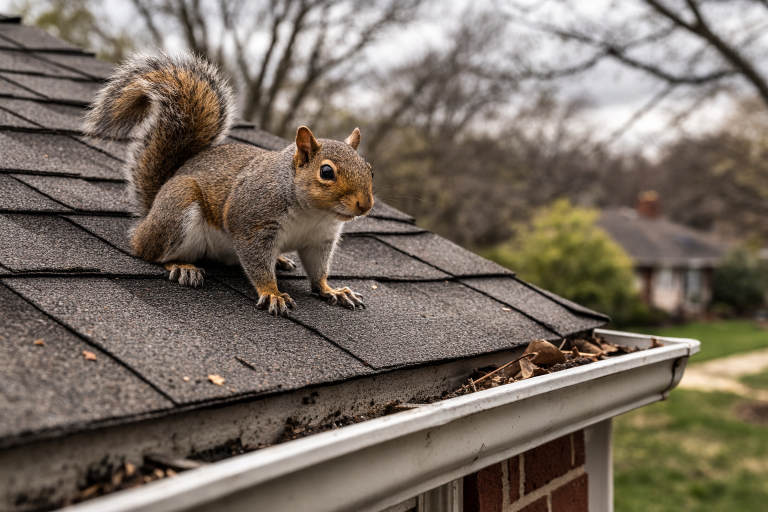
Hamilton’s mix of older homes and tree-lined streets creates a perfect environment for squirrels. Rooflines often sit close to overhanging branches, allowing easy access. Once squirrels discover a weak point in the structure, they will chew and widen openings to create an entry.
Squirrels commonly enter homes for shelter and nesting. During early spring and late summer, female squirrels look for warm, protected areas to raise their young. Attics provide insulation, security, and minimal disturbance. Unlike raccoons, squirrels are active during the day. If you are hearing scratching or scurrying sounds in the morning or afternoon, squirrels are a likely cause.
Signs You Have Squirrels in Your Attic
The first sign most homeowners notice is noise. Squirrels move quickly and often across attic rafters. Their activity typically sounds like light running, scratching, or rolling debris.
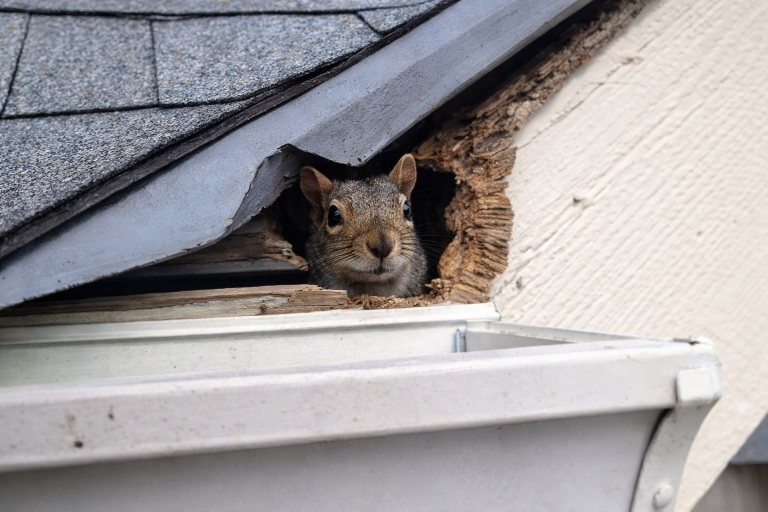
Other signs include visible damage to soffits or fascia boards. Squirrels chew through aluminum, wood, and even vinyl siding. Small holes along the roof edge can quickly become large enough for entry.
Inside the attic, insulation may appear disturbed or flattened. Nesting materials such as leaves or shredded debris may be present. You might also find droppings near the nesting site. Because squirrels are persistent chewers, damage often increases over time if not addressed.
The Damage Squirrels Cause
Squirrel infestations are not just noisy. They can lead to costly repairs. One of the most serious concerns is electrical damage. Squirrels chew wires to keep their teeth from overgrowing. This behavior creates a significant fire risk.
Structural wood damage is also common. Squirrels often gnaw on beams, roof decking, and framing near entry points. Over time, this weakens the structure and may require professional repairs. If squirrels remain in the attic long enough, odors and contamination can become noticeable inside the home.
How Squirrels Enter Homes
Squirrels are agile climbers. They use trees, downspouts, and siding to reach the roof. Once there, they search for vulnerabilities. Common entry points in Hamilton homes include:
- Roof vents that lack proper covers.
- Gaps between fascia boards and shingles.
- Loose soffit panels.
- Construction seams or gaps in older homes.
Even a small opening can be expanded through chewing. Many homeowners are surprised by how small the initial hole was before squirrels widened it.
Why DIY Squirrel Removal Often Fails
Homeowners sometimes attempt to block the hole they believe squirrels are using. This approach often creates more damage. If squirrels are trapped inside, they will chew aggressively to escape. This can lead to additional openings in new areas of the roof.
Trapping squirrels without identifying all entry points is another common mistake. Removing one squirrel does not prevent others from entering.
There are also legal considerations. Wildlife removal in Ontario must follow humane guidelines. Improper relocation or handling can lead to unintended consequences. Professional squirrel removal focuses on both removal and prevention.
How Professional Squirrel Removal Works
Squirrel removal in Hamilton begins with a full exterior inspection. A trained technician identifies the main entry point and checks for secondary vulnerabilities. It is common to find multiple weak areas along the roofline.
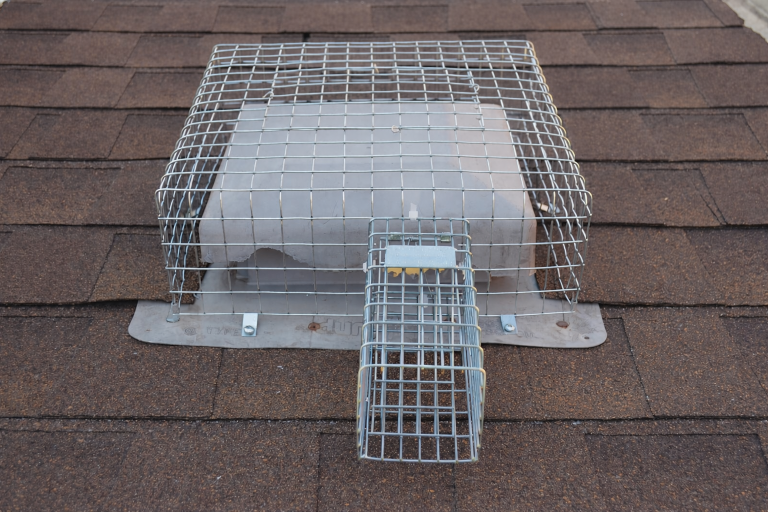
Humane removal methods are used to ensure squirrels exit safely. In many cases, a one-way door is installed over the main opening. This allows squirrels to leave the attic but prevents them from returning.
If babies are present, removal must be handled carefully. Baby squirrels require special attention to ensure they are reunited with the mother outside.
Once the attic is confirmed clear, permanent exclusion work is completed. Entry points are reinforced with durable materials designed to withstand chewing. Vent covers and structural reinforcements prevent future access. This combination of removal and exclusion is what creates long-term results.
The Importance of Exclusion Work
Exclusion is the most critical part of squirrel removal. Simply removing the animal does not protect your home. Hamilton homes often have aging roof structures. Without reinforcing vulnerable areas, another squirrel can enter weeks or months later.
Professional exclusion materials are stronger than typical construction components. Reinforced vent covers and metal flashing provide lasting protection. Investing in proper exclusion saves money over time by preventing repeat infestations.
Seasonal Squirrel Activity in Hamilton
Squirrel activity tends to increase during two main periods. The first is late winter into early spring, when females search for nesting sites. The second is late summer, when a second breeding cycle often occurs.
During colder months, squirrels may also enter attics for warmth. Insulated spaces provide protection from extreme weather. Homeowners often notice increased attic noise during these seasonal shifts. Understanding these patterns helps explain why squirrel removal calls spike during certain times of the year in Hamilton.
Preventing Future Squirrel Problems
Preventative maintenance significantly reduces the risk of infestation. Trimming tree branches away from the roof limits access points. Securing loose soffits and inspecting roof vents annually helps identify weaknesses early.
Garbage management is less of a concern with squirrels than raccoons, but reducing food sources in the yard can still discourage activity. Homes near wooded areas or conservation land are especially vulnerable and may benefit from regular inspections. Prevention is always more affordable than structural repair.
When to Call for Squirrel Removal in Hamilton
If you hear scratching in your attic during the day, see squirrels entering roof gaps, or notice damage along your soffits, it is time to schedule an inspection.
The longer squirrels remain inside, the greater the damage becomes. Early intervention reduces repair costs and simplifies removal. Even if you are unsure whether squirrels are inside, a professional assessment can provide clarity and peace of mind.
Book Professional Squirrel Removal with Hamilton Wildlife
If you are dealing with attic noise, roof damage, or repeated squirrel activity, professional help ensures safe and permanent removal. Hamilton Wildlife provides expert squirrel removal services throughout Hamilton. Our team focuses on humane removal and durable exclusion that protects your home long term.
Don’t wait until chewed wiring or insulation damage becomes a serious problem. Contact Hamilton Wildlife today to schedule your squirrel inspection and secure your home from unwanted wildlife.