
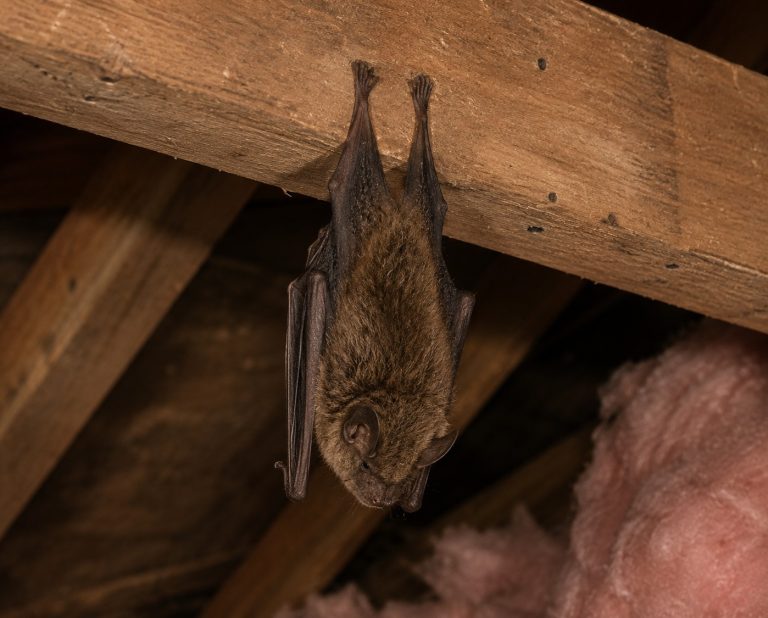
Discovering bats in your attic can be unsettling, especially if you begin hearing scratching or chirping noises overhead at night. Many homeowners assume they should arrange for removal as soon as possible, but bat removal is different from removing other types of wildlife. In Ontario, the time of year plays a major role in determining when bats can be safely and humanely excluded from a building.
If bats have taken up residence in your home, it’s important to understand why professional wildlife companies sometimes recommend waiting before completing an exclusion. The goal is not only to remove the bats from your home but also to protect local bat populations while complying with Ontario wildlife laws and regulations.
This guide explains when bat removal season occurs in Ontario, why timing matters, and what homeowners in Hamilton should know if they suspect bats are living in their attic or walls.
Why Bat Removal Is Seasonal
Unlike raccoons or squirrels, bats have a unique life cycle that directly affects how and when they can be removed from buildings. Most bats found in Ontario spend the warmer months feeding on insects and raising their young. Female bats gather in maternity colonies during late spring and early summer, where they give birth and care for their pups. Baby bats are born unable to fly. They remain inside the roost while their mothers leave each evening to hunt for insects before returning to nurse them.
If a building is sealed during this period, the adult bats may be excluded while the young remain trapped inside. This creates serious animal welfare concerns and can also lead to unpleasant odors and sanitation issues if the pups cannot survive. For this reason, professional bat removal follows a seasonal schedule that protects both homeowners and the bats themselves.
Bat Maternity Season in Ontario
Maternity season for bats generally begins in late spring and continues through much of the summer. Female bats usually establish nursery colonies between May and June. During this time, attics, soffits, wall cavities, and roof spaces provide warm, sheltered environments where they can safely raise their young. The pups remain dependent on their mothers for several weeks before they are capable of flight.
Although the exact timing varies slightly depending on weather conditions and the species involved, most professional wildlife companies avoid performing full bat exclusions while young bats are still unable to fly. Waiting until the pups become independent allows the entire colony to leave safely during exclusion.
When Bat Removal Usually Takes Place
The ideal period for bat removal in Ontario is typically from late summer through the fall. By late July or August, young bats have usually developed the ability to fly alongside the adults. At this stage, humane exclusion methods can be used effectively because every member of the colony is capable of leaving the building.
Fall is often considered one of the best times for bat removal because colonies are still active, making it easier to confirm successful exclusion before winter arrives. Many homeowners schedule inspections during the summer so that exclusion work can begin as soon as seasonal conditions allow.
What Happens During Bat Removal Season?
Professional bat removal focuses on humane exclusion rather than trapping or harming the animals. The process begins with a detailed inspection of the home. A wildlife technician identifies every potential entry point, determines where the bats are roosting, and looks for signs of contamination or structural damage.
Once the timing is appropriate, one-way exclusion devices are installed over the active entry points. These specialized devices allow bats to leave naturally during their evening flights but prevent them from returning.
After the technician confirms the colony has completely exited the structure, the exclusion devices are removed and every entry point is professionally sealed. This process allows the bats to continue living outdoors while preventing future access to the home.
Why Timing Is So Important
Some homeowners wonder why they cannot simply seal the hole where bats are entering. The answer lies in bat behaviour. Bats often use multiple small openings to access a building. Sealing only one gap rarely solves the problem.
More importantly, if flightless pups remain inside, the adult bats will attempt to return. They may search for new openings or become trapped within the structure. Improper timing can also leave young bats inside the attic, leading to odor problems, insect activity, and contamination. Professional timing ensures every bat can leave safely before the home is permanently sealed.
Common Signs You Have Bats
Many homeowners first notice bats during the warmer months when activity increases around sunset. You may see bats flying near your roofline shortly after dusk or notice several bats emerging from the same area every evening. Inside the home, scratching sounds are usually much lighter than those made by squirrels or raccoons. Some homeowners hear faint chirping noises from the attic or inside walls.
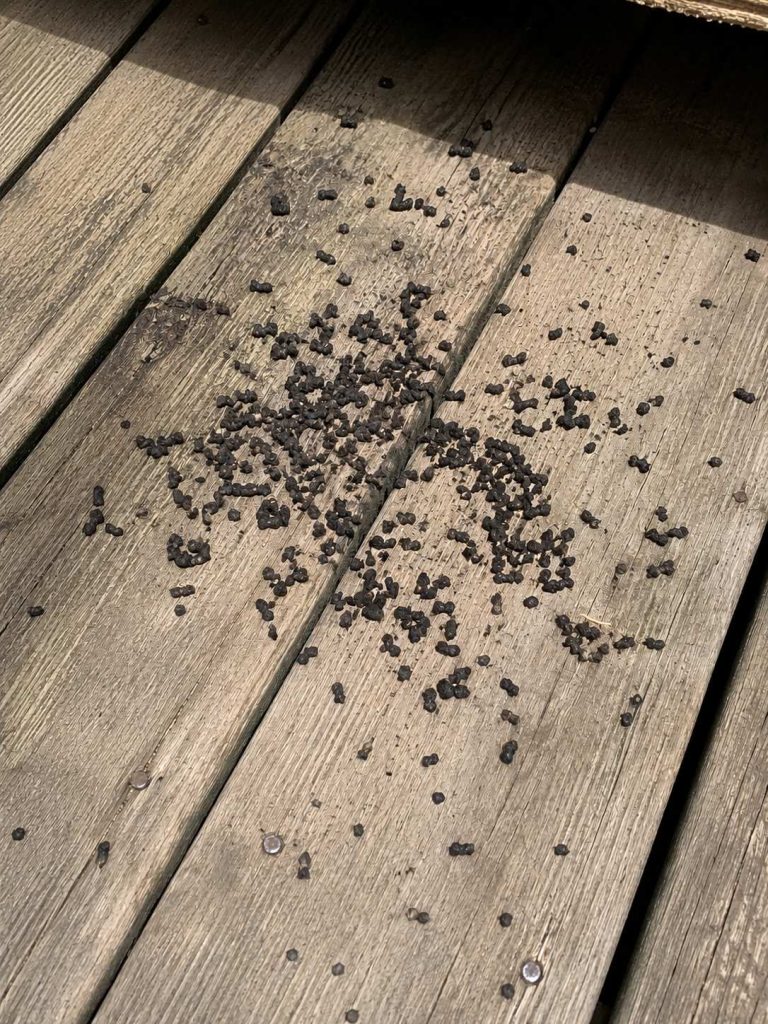
Bat guano is another common sign. These small, dark droppings often collect beneath entry points or inside attic insulation. Over time, larger colonies may also create a noticeable musty odour. If you observe any of these signs, arranging a professional inspection is the best way to determine whether bats are present and when removal can safely occur.
Why DIY Bat Removal Should Be Avoided
Bat removal is one of the most specialized wildlife services available. Attempting to remove bats without understanding their seasonal biology often causes more problems than it solves. Homeowners sometimes seal visible entry points without realizing other openings exist. Others unknowingly separate mothers from their pups during maternity season.
Direct contact with bats should also be avoided. While the vast majority of bats are healthy and beneficial animals, they should never be handled without proper training and protective equipment. Professional wildlife technicians understand both the legal considerations and the safest exclusion methods.
Preventing Future Bat Problems
Once bats have been excluded, preventing another infestation becomes the next priority. Most homes that develop bat problems have small construction gaps that go unnoticed for years. Roof intersections, soffits, fascia boards, chimney flashing, ridge vents, roof vents, and siding transitions should all be inspected regularly. Routine maintenance can eliminate potential entry points before wildlife discovers them.
Many homeowners also choose to install a bat house on their property after exclusion. While this does not guarantee bats will move into it, a properly placed bat house provides an alternative roosting location that supports local bat conservation while encouraging bats to stay outside rather than inside the home.
Why Professional Inspections Matter
Even if removal cannot be completed immediately because of seasonal timing, an inspection should not be delayed. Early inspections allow wildlife professionals to identify active entry points, assess the size of the colony, evaluate any contamination, and develop a removal plan for the appropriate season.
This proactive approach often prevents additional damage while ensuring removal can be completed as soon as conditions allow. Waiting until the problem becomes worse can increase cleanup costs and make exclusion more complicated.
Book Bat Removal with Hamilton Wildlife
Professional bat removal in Ontario is all about proper timing. Humane exclusion performed during the correct season protects local bat populations while ensuring your home remains secure for years to come.
Hamilton Wildlife provides professional bat inspections, humane bat removal, and long-term exclusion services throughout Hamilton and the surrounding area. Our experienced team understands Ontario’s seasonal considerations and uses proven exclusion methods that protect both your home and the bats.
If you’ve seen bats around your roofline or suspect they may be living in your attic, contact Hamilton Wildlife today to schedule a professional inspection. We’ll determine the safest time for removal and help you protect your home with a permanent exclusion solution.