
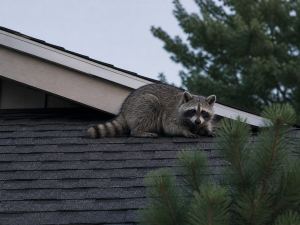
Wildlife issues are something many homeowners in Hamilton deal with at some point. Whether it’s raccoons in the attic, squirrels in the roofline, skunks under the deck, or bats in the walls, these problems are not rare or unusual in this region.
What often surprises homeowners is how frequently these issues occur, even in newer homes or well-maintained neighborhoods. The reality is that Hamilton provides an ideal environment for wildlife to thrive, and residential properties naturally become part of that environment. Understanding why wildlife problems are so common can help homeowners take the right steps to protect their homes and respond quickly when issues arise.
A Unique Mix of Urban and Natural Environments
Hamilton is known for its balance between urban development and natural landscapes. The city is surrounded by conservation areas, forests, escarpments, and green spaces. While this makes it a great place to live, it also creates the perfect conditions for wildlife populations.
Animals such as raccoons, squirrels, skunks, and bats are highly adaptable. They can live comfortably in both natural and urban settings. As neighborhoods expand into areas that were once natural habitats, wildlife adjusts by moving closer to homes. This overlap means animals do not need to travel far to find shelter or food. Your home may be just as appealing as a wooded area.
Easy Access to Food Sources
One of the main reasons wildlife is drawn to residential areas is the availability of food. Homes provide a consistent and reliable supply, often without homeowners realizing it. Garbage bins, compost, pet food, bird feeders, and even gardens can attract animals. Raccoons are especially known for getting into garbage, while skunks are drawn to lawns with grubs.
Once animals discover a food source, they tend to return repeatedly. Over time, they become comfortable around the property and begin exploring for shelter. This is often the first step toward a larger wildlife problem.
Homes Provide Ideal Shelter
While food attracts wildlife, shelter is what keeps them there. Attics, soffits, roof vents, and spaces under decks offer protection from weather and predators. These areas are warm, dry, and quiet, making them ideal for nesting.
During colder months, animals look for places to stay warm. In the spring, they search for safe areas to raise their young. Homes provide both of these conditions. Even small gaps or openings can give animals access to these spaces. Once inside, they are unlikely to leave without intervention.
Older Homes and Aging Structures
Many neighbourhoods in Hamilton feature older homes. While these homes have character, they can also have vulnerabilities that wildlife can exploit. Over time, materials such as wood, shingles, and soffits can wear down. Small gaps may form along the roofline or foundation. Vent covers may become loose or damaged. These openings are often unnoticed by homeowners but are large enough for animals to enter. Even newer homes are not immune. Construction gaps or improperly sealed areas can still provide access points. Regular wear and tear make it easier for wildlife to find a way in.
Seasonal Wildlife Behaviour
Wildlife activity in Hamilton changes throughout the year. Understanding these seasonal patterns helps explain why problems seem to appear suddenly. In the fall, animals begin looking for warm places to spend the winter. This is when squirrels and raccoons often enter attics. In the spring, many animals give birth. Female raccoons, squirrels, and skunks search for safe nesting areas, which often leads them to homes. During the summer, bat colonies are more active, and homeowners may notice increased movement at dusk. These natural cycles mean that wildlife problems are not random. They follow predictable patterns based on survival and reproduction.
Limited Natural Shelter in Developed Areas
As more land is developed, natural shelter becomes harder for wildlife to find. Trees are removed, and natural dens are disturbed or eliminated. When this happens, animals look for alternative spaces. Homes become a substitute for the environments they once relied on.
An attic can replace a hollow tree. A deck can mimic a burrow. A roof vent can serve as an entry to a warm, protected space. This shift is one of the main reasons wildlife issues continue to increase in residential areas.
Wildlife Is Highly Adaptable
Animals such as raccoons and squirrels are extremely intelligent and adaptable. They learn quickly and can find creative ways to access homes. They may return to the same entry point repeatedly, even after being removed, if it is not properly sealed.
Some animals can chew through materials, lift shingles, or widen small gaps to gain entry. This adaptability makes it difficult for homeowners to prevent problems without proper exclusion work.
Why Problems Often Go Unnoticed at First
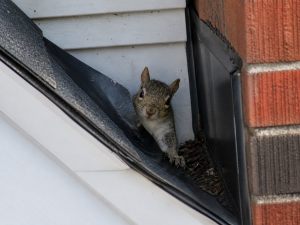
Wildlife issues rarely start with obvious signs. In the early stages, activity can be subtle. You might hear occasional scratching, notice a faint odor, or see an animal near your roofline once or twice. Because these signs seem minor, they are often ignored. By the time the problem becomes more noticeable, the animal may have already established a nest. In some cases, multiple animals may be present. Catching the problem early is key, but it requires knowing what to look for.
The Importance of Proper Removal
When wildlife enters a home, removing the animal is only part of the solution. If the entry point is not identified and sealed, new animals can enter later. This leads to recurring problems that can become frustrating and costly. Proper wildlife removal includes inspection, humane removal, and exclusion work. This ensures the problem is resolved at its source. Attempting to handle the issue without addressing all aspects often results in the same problem returning.
Preventing Wildlife Problems
While wildlife issues are common, there are steps homeowners can take to reduce the risk. Keeping garbage secure, removing outdoor food sources, and maintaining your home’s exterior can make a difference. Regular inspections of your roofline, vents, and foundation can help identify potential entry points early. Sealing gaps and reinforcing vulnerable areas is one of the most effective ways to prevent animals from getting inside. Prevention is always easier than dealing with an active infestation.
When to Take Action
If you notice signs of wildlife activity, it is important to act quickly. Noises in the attic, animals entering your roof, digging under your deck, or persistent odors are all signs that something is wrong. Waiting can allow the problem to grow and lead to more damage. Even if you are unsure, a professional inspection can provide clarity and help you understand what is happening.
Book an Inspection with Hamilton Wildlife
Wildlife problems are common in Hamilton, but they can be managed effectively with the right approach. Hamilton Wildlife specializes in identifying and resolving wildlife issues using humane methods and long-term solutions. Our team understands why these problems occur and how to prevent them from coming back.
If you are dealing with wildlife activity or want to protect your home before problems start, contact Hamilton Wildlife today to book an inspection.