
Homeowners in Hamilton often search for help when they hear scratching in the attic, find droppings in the basement, or notice animals around their property. One of the most common questions that comes up is whether they need wildlife removal or pest control.
While these services may seem similar at first, they are very different in how they approach problems, the types of animals they handle, and the long-term results they provide. Choosing the right service is important. The wrong approach can lead to ongoing issues, repeat infestations, or even damage to your home.
This guide explains the difference between wildlife removal and pest control, how each service works, and which one is right for your situation.
Understanding Pest Control
Pest control typically focuses on smaller insects and rodents that live and reproduce inside homes. This includes ants, cockroaches, spiders, and mice. These pests are usually managed through chemical treatments, baiting systems, and ongoing maintenance programs. The goal of pest control is to reduce or eliminate populations within a home. Treatments are often applied to surfaces, entry points, or areas where pests are active.
In many cases, pest control involves repeat visits. This is because insects and rodents can reproduce quickly, and new activity can develop over time. Pest control is effective for issues where the infestation is widespread and tied to breeding cycles rather than a single entry point.
Understanding Wildlife Removal
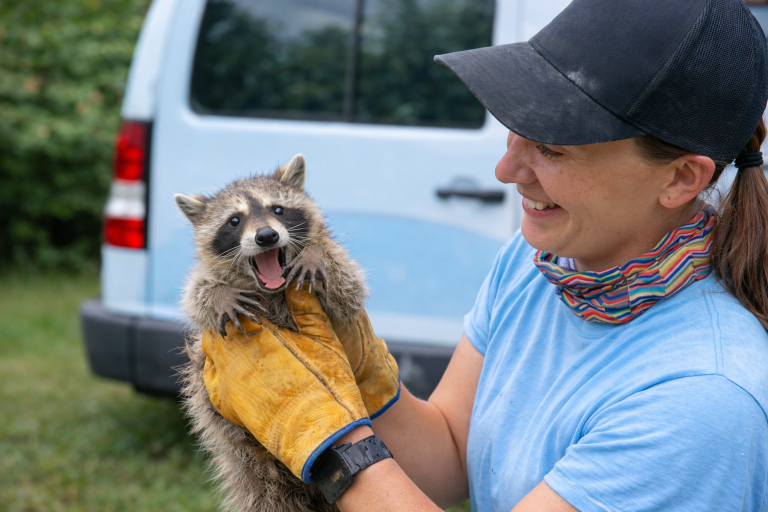
Wildlife removal deals with larger animals such as raccoons, squirrels, skunks, and bats. These animals behave very differently from insects and small pests. Wildlife typically enters a home through a specific opening. Once inside, it uses the space for shelter, nesting, or raising young. Attics, soffits, and areas under decks are common locations.
The goal of wildlife removal is not just to remove the animal but to identify how it got inside and prevent it from returning. This process often includes a full inspection, humane removal methods, and structural repairs or exclusion work. Unlike pest control, wildlife removal focuses heavily on solving the root cause rather than ongoing treatment.
The Key Difference: Entry Points vs Infestations
One of the biggest differences between pest control and wildlife removal is how the problem begins. Pest problems often involve large numbers of insects or rodents spreading throughout a home. The issue is not always tied to a single entry point.
Wildlife problems, on the other hand, usually start with one or more animals entering through a specific opening. Once that entry point is sealed, the problem is often resolved. For example, a squirrel in the attic is not the same as ants in a kitchen. The squirrel must be removed and the hole it used must be repaired. Simply treating the area will not solve the issue. Understanding this difference is critical when choosing the right service.
Methods Used in Pest Control
Pest control relies on products designed to target insects and small rodents. These may include sprays, dusts, baits, and traps. Treatments are applied to areas where pests are active or likely to travel. Kitchens, bathrooms, basements, and exterior perimeters are common treatment zones.
Because pest activity can return over time, many pest control services offer ongoing maintenance plans. These treatments are effective for controlling populations but do not typically involve structural repairs.
Methods Used in Wildlife Removal
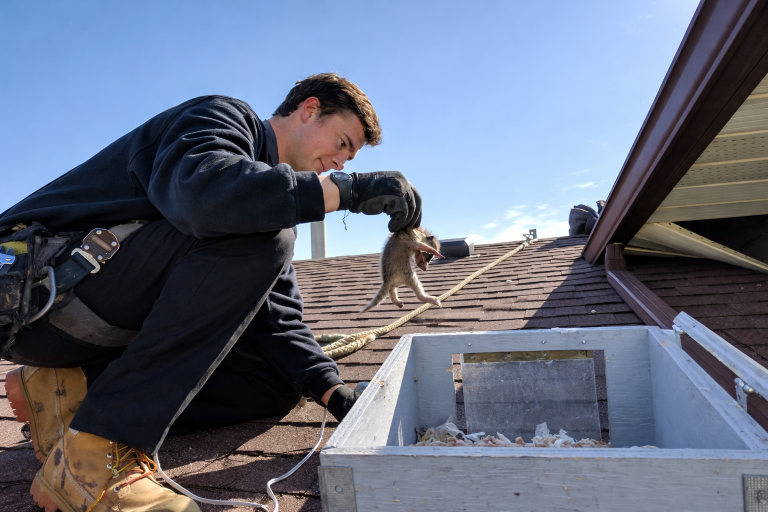
Wildlife removal uses a completely different approach. Humane methods are the standard, especially in Ontario where wildlife regulations must be followed. Technicians often install one-way doors over entry points. These devices allow animals to leave but prevent them from getting back inside. Once the animals are gone, the entry points are sealed using durable materials. This step is known as exclusion and is the most important part of the process.
In some cases, cleanup may also be required. Animals can damage insulation, leave droppings, or create nesting areas that need to be addressed. The focus is on a complete solution rather than ongoing treatment.
Types of Problems Each Service Handles
Pest control is best suited for issues such as ants, cockroaches, spiders, and general insect activity. It is also commonly used for mice infestations where multiple rodents are present throughout the home. Wildlife removal is designed for animals that physically enter and occupy parts of the structure. This includes raccoons in attics, squirrels in soffits, bats in rooflines, and skunks under decks.
Trying to treat a wildlife problem with pest control methods usually does not work. Likewise, wildlife removal is not designed to manage insect infestations. Each service has its own purpose, and using the correct one ensures better results.
Why Wildlife Removal Requires Structural Work
One of the most important differences is that wildlife removal often involves repairing the home. Animals create or exploit openings in roofs, vents, and siding. If these areas are not reinforced, new animals can enter later.
Exclusion work is what prevents repeat infestations. This may include installing vent covers, sealing gaps, or reinforcing weak areas along the roofline. Pest control does not typically involve this level of structural work. For homeowners, this means wildlife removal often provides a more permanent solution.
Legal and Safety Considerations
Wildlife removal must follow specific regulations in Ontario. Many animals are protected, and removal must be done humanely. For example, certain species cannot be removed during breeding seasons if young are present. This requires careful timing and proper techniques. Pest control also follows regulations, particularly when it comes to pesticide use, but the legal considerations are different.
Safety is another factor. Handling wildlife carries risks, especially with animals that may carry diseases or behave defensively. Professional wildlife removal ensures these risks are managed properly.
The Cost Difference
Pest control services are often priced based on treatment type and frequency. Because they may involve ongoing visits, the cost is spread over time. Wildlife removal is usually more focused on a one-time solution. Pricing often depends on the complexity of the job and the amount of exclusion work required.
While wildlife removal may seem higher upfront, it often eliminates the problem entirely rather than requiring repeated treatments.
Long-Term Results
The biggest difference between wildlife removal and pest control is the long-term outcome. Pest control manages populations and reduces activity. Maintenance may be needed to keep the problem under control.
Wildlife removal aims to solve the issue completely. Once the animal is removed and the entry point is sealed, the problem should not return. For homeowners, this distinction is important when deciding how to handle the situation.
Which Service Do You Need?
The answer depends on what you are dealing with. If you are seeing insects, experiencing repeated pest activity, or noticing widespread droppings from small rodents, pest control is likely the right choice. If you hear scratching in the attic, see animals entering your roof, or notice digging under your deck, wildlife removal is the correct service.
In some cases, both services may be needed. For example, a home may have mice inside while also dealing with squirrels in the attic. A proper inspection can determine the best approach.
Book Wildlife Removal with Hamilton Wildlife
If you are dealing with animals in your attic, walls, or around your property, professional wildlife removal is the safest and most effective solution. Hamilton Wildlife specializes in humane wildlife removal and long-term exclusion. Our team identifies how animals are entering your home, removes them safely, and reinforces vulnerable areas to prevent future problems.
Do not rely on temporary solutions for wildlife issues. Contact Hamilton Wildlife today to schedule an inspection and protect your home with a permanent fix.