
Many homeowners are surprised to learn that bats are not treated the same way as other nuisance wildlife species. If you discover bats living in your attic, soffits, or walls, you may assume they can simply be removed immediately. However, bat removal in Ontario is subject to important legal, environmental, and ethical considerations.
Bats play a vital role in Ontario’s ecosystem and several species have experienced significant population declines in recent years. Because of this, many bat species receive legal protections that affect when and how they can be removed from buildings.
For homeowners in Hamilton dealing with a bat problem, understanding these protections is important. Attempting to remove bats improperly can create legal issues, harm bat populations, and often make the wildlife problem worse. This guide explains whether bats are protected in Ontario, why these protections exist, and how professional bat removal is performed safely and legally.
Why Bats Are Important
Although bats often have a negative reputation, they provide tremendous environmental benefits. Bats are natural insect predators. A single bat can consume hundreds or even thousands of insects in a single night. Many of the insects bats feed on include mosquitoes, moths, beetles, and agricultural pests.
By helping control insect populations, bats contribute to healthier ecosystems and reduce the need for chemical pest control in many areas. Hamilton’s parks, forests, conservation areas, and waterfront habitats all support local bat populations that play an important role in maintaining ecological balance. Because bats reproduce slowly and populations recover gradually, conservation efforts are especially important.
Are Bats Protected in Ontario?
Yes. Several bat species found in Ontario receive legal protection. Certain species are listed under Ontario’s endangered species legislation due to severe population declines. The primary cause of these declines has been a fungal disease known as White-Nose Syndrome, which has devastated bat populations throughout North America.
As a result, many bat species that commonly occur in Ontario have become species of conservation concern. Even when bats are found inside homes, homeowners cannot simply eliminate them in the same manner as some other nuisance animals. Removal methods for bats must be humane and designed to allow bats to survive and continue their ecological role.
Why Bat Populations Have Declined
For decades, bats were a common sight throughout Ontario. That changed dramatically with the arrival of White-Nose Syndrome. This disease affects hibernating bats and has caused mortality rates exceeding 90 percent in some populations.
Species that were once abundant have experienced significant declines across large portions of their range. Because bats reproduce very slowly, recovery has been difficult. Most female bats give birth to only one pup each year. This means population growth occurs gradually even under ideal conditions. Protecting existing colonies has therefore become a major conservation priority.
Can You Remove Bats From Your Home?
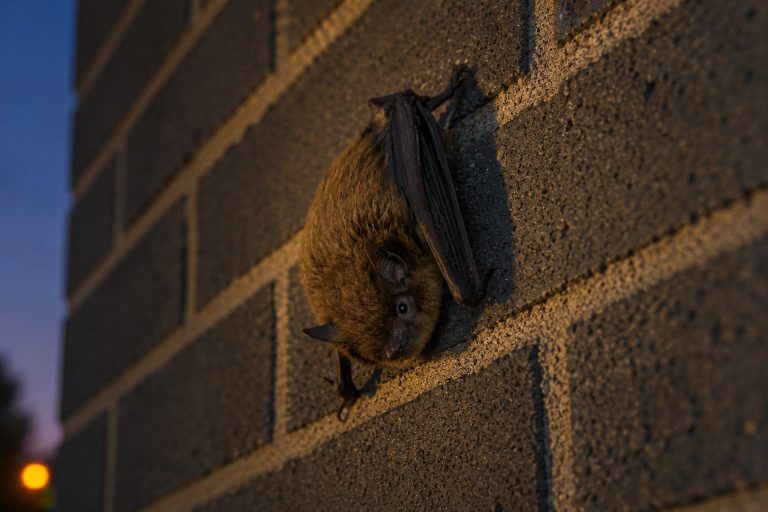
Yes, homeowners are allowed to remove bats from buildings, but the process must be performed correctly. The goal of professional bat removal is exclusion rather than trapping or harming the animals. Exclusion involves allowing bats to leave the structure naturally while preventing them from re-entering. This approach protects both the bats and the homeowner. Unlike some wildlife species, bats should never be trapped inside a structure by sealing openings prematurely. Proper timing and planning are essential.
Why Timing Matters
Bat removal cannot always be performed immediately. During the summer, female bats often establish maternity colonies inside attics, wall cavities, and other sheltered spaces. These colonies are used to raise young bats, known as pups. Baby bats are unable to fly for several weeks after birth. If an exclusion is performed while flightless pups remain inside, the young bats can become trapped and separated from their mothers. This creates both animal welfare concerns and serious problems inside the home. For this reason, professional bat removal is often scheduled around seasonal restrictions to ensure all bats can leave safely.
Common Places Bats Enter Homes
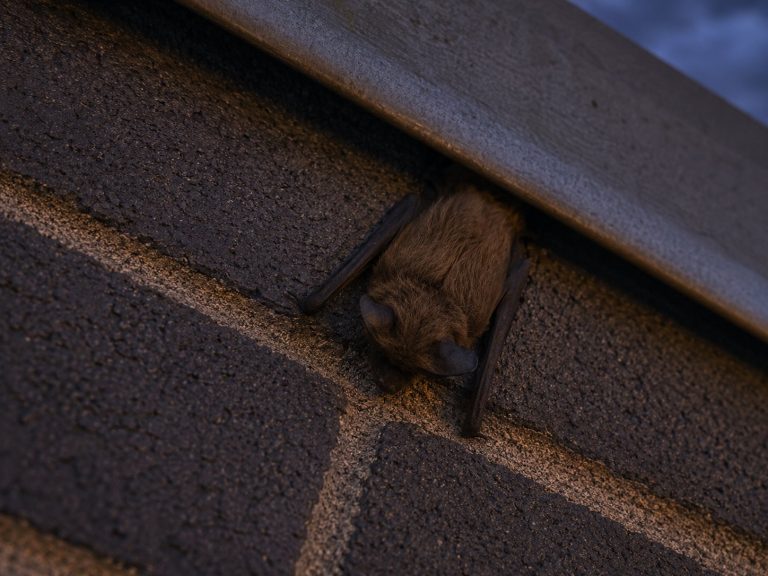
Bats do not need large openings to gain access to a structure. In fact, they can enter through surprisingly small gaps along the exterior of a home. Common entry points include roof vents, soffits, fascia gaps, construction joints, chimney flashing, and areas where roofing materials meet exterior walls. Many homeowners never notice these openings until a bat colony becomes established. Because bats often enter and exit at dusk, their access points can be difficult to identify without a detailed inspection.
Signs of Bats in the Home
The most obvious sign of a bat problem is seeing bats flying around the property near sunset. However, many homeowners first notice other indicators. Scratching noises, faint chirping sounds, or movement within walls and attics may suggest bats are present. Unlike squirrels or raccoons, bats tend to produce lighter and more subtle noises.
Bat droppings, known as guano, are another common sign. Guano often accumulates beneath entry points or in attic spaces where bats roost. Over time, large colonies can produce significant amounts of contamination that require professional cleanup. A strong musty odor may also develop if bats have occupied the area for an extended period.
Why DIY Bat Removal Is Risky
Many homeowners attempt to solve bat problems themselves after discovering bats inside the attic. Unfortunately, DIY bat removal frequently creates larger issues. Sealing openings without identifying all access points can trap bats inside walls and attic spaces. Trapped bats may enter living areas while searching for an exit. Improper timing during bat maternity season can also separate mothers from their young.
In addition, direct contact with bats should always be avoided. Although the risk is low, bats can carry diseases, and any direct handling should be left to trained professionals. Professional bat removal focuses on safety, legality, and long-term prevention.
How Professional Bat Exclusion Works
Professional bat removal begins with a detailed inspection of the structure. A wildlife technician identifies active entry points, determines whether a colony is present, and assesses whether seasonal restrictions apply.
Once conditions are appropriate, one-way exclusion devices are installed over the primary access points. These devices allow bats to leave naturally during their normal nightly activity. After the bats have exited, the technician seals and reinforces all potential entry points around the home. The goal is not only to remove the existing bats but also to prevent future colonies from gaining access.
Attic Cleanup After Bat Removal
Removing the bats is only part of the solution. Many bat infestations leave behind guano, urine staining, and contaminated insulation. Depending on the size of the colony and the duration of the infestation, cleanup may be necessary.
Professional attic restoration often includes guano removal, sanitation, deodorization, and insulation replacement when required. Addressing contamination helps restore the attic and improves indoor air quality.
Are Bat Houses a Good Alternative?
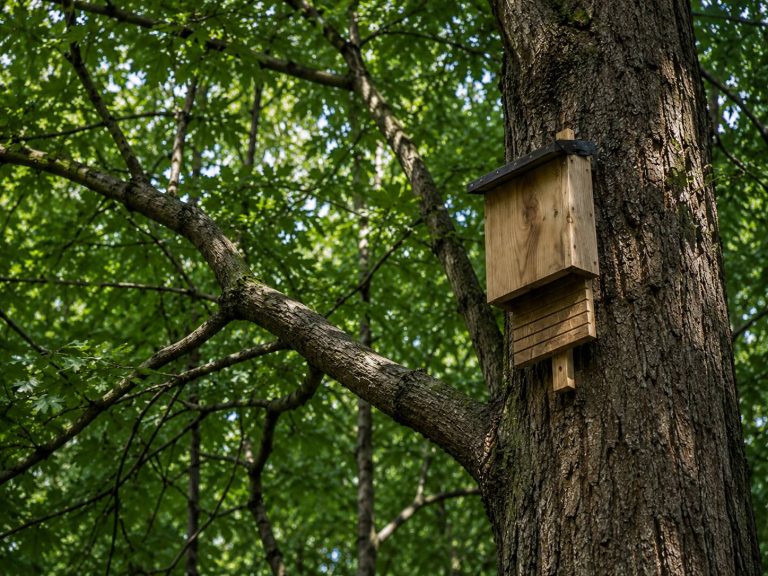
Many homeowners ask whether bat houses can help after exclusion. Bat houses can provide alternative roosting sites and support local bat conservation efforts. While they do not guarantee bats will relocate to the structure, they offer a safe habitat option nearby. Installing a bat house can be an excellent way to support local bat populations while keeping bats out of your home.
Why Professional Help Is Important
Bat removal is one of the most specialized forms of wildlife control. The combination of legal protections, seasonal considerations, and structural challenges means that proper exclusion requires experience and training.
A professional wildlife technician understands how bats behave, where they gain access, and how to remove them without causing harm. This approach protects both the homeowner and Ontario’s valuable bat populations.
Book Bat Removal with Hamilton Wildlife
If you have discovered bats in your attic, walls, soffits, or roofline, it is important to address the problem safely and legally. Hamilton Wildlife provides humane bat removal and exclusion services throughout Hamilton. Our team performs detailed inspections, identifies entry points, and develops exclusion plans that comply with seasonal and wildlife protection requirements.
If you suspect bats are living in your home, contact Hamilton Wildlife to schedule a professional inspection and learn about your options for safe and effective bat removal.